



Future Space Hospital
First Cohort of Space Experiment Projects
Second Cohort of Space Experiment Projects
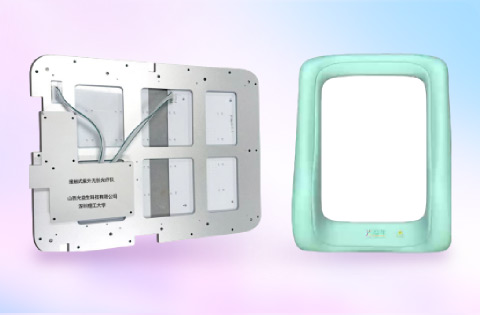
Contact Non-invasive Ultraviolet Phototherapy Device
Product Introduction:
Simulating the principle of vitamin D synthesis through natural sunlight exposure, the Contact Non-invasive Ultraviolet Phototherapy Device adopts the optimal 297 nm golden wavelength that facilitates vitamin D synthesis. By irradiating the skin with a safe dosage of ultraviolet light, the device enables effective and convenient vitamin D supplementation, sustainably maintaining the level of active vitamin D in the human body within an optimal range. It can prevent and assist in the treatment of health conditions such as osteoporosis and low immunity caused by vitamin D deficiency.
The device pioneers an innovative non-pharmaceutical approach to vitamin D supplementation with remarkable strengths in four aspects. First, innovation. It fills the domestic market gap of specialized medical devices designed independently for vitamin D supplementation. Second, safety. Compliant with the human natural physiological mechanism, the device is non-invasive, painless, and free of toxic and side effects. Third, high efficiency. Its vitamin D synthesis efficiency exceeds 90%, an indicator incorporated into the technical review key points for contact non-invasive ultraviolet phototherapy equipment. Fourth, universal accessibility. Featuring compact size, simple operation and short treatment duration, it is suitable for long-term household and personal use. Globally, over 80% of the population suffers from vitamin D deficiency, which is particularly prevalent among college students, coal miners, the elderly, pregnant and lactating women, making vitamin D supplementation essential for people of all age groups. Vitamin D deficiency may lead to osteoporosis and impaired cellular repair, and indirectly trigger diseases of multiple bodily systems.
Space Application Scenarios:
In space stations or deep-space spacecraft, astronauts are deprived of long-term exposure to natural sunlight. Since cabin lighting cannot provide the ultraviolet rays required for vitamin D synthesis, severe vitamin D deficiency is highly prevalent among astronauts. This phototherapy device simulates the specific wavelength of sunlight that promotes vitamin D synthesis. Regular use by astronauts enables safe and efficient maintenance of in-vivo vitamin D levels and prevents related deficiency disorders. Furthermore, in a microgravity environment, reduced skeletal loading leads to rapid bone mineral density loss at a rate of approximately 1% to 2% per month. Maintaining optimal vitamin D levels via the phototherapy device directly supports calcium metabolism. It forms a synergistic protective effect with in-space physical exercise and pharmaceutical intervention, establishing a comprehensive protection system for astronaut skeletal health.
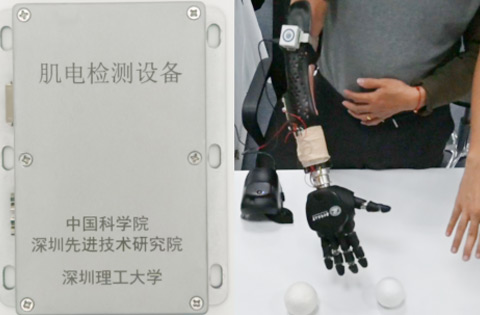
Wearable Electromyography Monitoring Device
Product Introduction:
Against the long-standing situation that China has relied on imported chips and been constrained by overseas suppliers in core components, the research team has achieved breakthroughs in the key technical bottlenecks of synchronous acquisition and processing of multi-channel neural signals. Five patented core technologies have been proposed, including negative capacitance feedback noise suppression technology, rapid channel zeroing technology, and adaptive gain control strategy, based on which a high-performance 8-channel non-invasive brain-computer interface chip has been developed. The wearable electromyography monitoring device developed on the basis of this chip is capable of acquiring electromyography signals with a high signal-to-noise ratio in complex operational environments. Its adopted rapid channel zeroing technology and adaptive gain control strategy ensure signal stability and adaptability within a dynamic range, thereby meeting the requirements of long-duration and high-precision physiological monitoring.
Space Application Scenarios:
In a microgravity environment, the wearable electromyography monitoring device enables real-time monitoring of the intensity and pattern variations of electromyographic activity in specific muscle groups. It provides early objective and quantitative indicators for muscle atrophy, facilitating a paradigm shift from post-event assessment to in-process early warning. By analyzing synergistic and temporal characteristics of electromyographic signals, the device evaluates the impact of the microgravity environment on neuromuscular control capability, delivering critical data for research on neural adaptation under space conditions and the formulation of targeted countermeasure strategies. Furthermore, by integrating electromyography data with operational data from space exercise equipment, the system can objectively assess the actual activation effect and fatigue level of target muscles induced by each training session. It provides a solid basis for ground medical support teams or onboard AI systems to dynamically adjust training load and frequency, so as to realize the optimization and personalization of space exercise regimens.
Future Space Protein Food
Product Introduction:
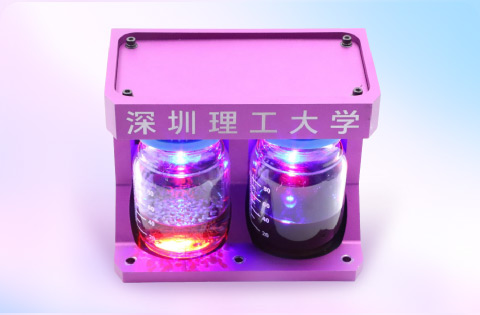
The miniature space cultivation device for duckweed and microalgae demonstrates outstanding potential and remarkable advantages in ensuring food supply for astronauts during space exploration. Adopting an innovative dual-spectrum design with flexibly adjustable light intensity, this core technological breakthrough precisely matches the growth requirements of duckweed and microalgae under special space environments. It significantly improves the photosynthetic efficiency and growth rate of both species, effectively enhancing their high-efficiency growth capacity in space, and laying a crucial technical foundation for the continuous production of fresh plant-based high-protein food. Meanwhile, the device is engineered with superior structural stability and reliability. It maintains stable performance after undergoing rigorous environmental tests including space pressure, weightlessness, vibration and radiation, fully validating its adaptability and durability under extreme space conditions and providing solid safety assurance for practical in-space applications. In terms of future development, the prototype possesses considerable room for optimization and upgrading. Based on the existing technical framework, process parameters can be further optimized and system design refined to gradually scale up production capacity. It can not only meet astronauts’ demand for fresh high-protein food in short-term space missions, but also serve as a stable and sustainable source of fresh plant protein for long-duration space travel, space station residency and deep-space exploration missions. The device addresses the core challenge of food supply in space exploration and is of great significance to the advancement of human space undertakings.
Space Application Scenarios:
The miniature space cultivation device for duckweed and microalgae features extensive and targeted application scenarios. It covers core manned aerospace missions including low-Earth orbit space station residency, deep-space exploration such as lunar and Mars missions, and commercial space tourism, supplying fresh high-protein food for astronauts and space travelers while reducing resupply costs. Its application can also be extended to special terrestrial environments such as polar scientific expeditions, plateau border defense and emergency disaster relief, solving nutritional supply bottlenecks under extreme conditions. Furthermore, the technology can be transformed into household desktop cultivation equipment and raw material production modules for the food industry, tapping into the high-end health consumption and functional food markets. The device boasts considerable market potential. Driven by the advancement of global manned space programs, the relevant domestic aerospace market is expected to reach the hundred-billion scale. Terrestrial special application markets are steadily expanding with policy support. The commercial consumer market, including desktop cultivation and microalgae protein products, holds an annual revenue potential exceeding 500 million RMB. In addition, the core technology can generate a dual-profit model through cross-domain technology licensing and collaboration with the international aerospace market, presenting substantial growth prospects for the future.
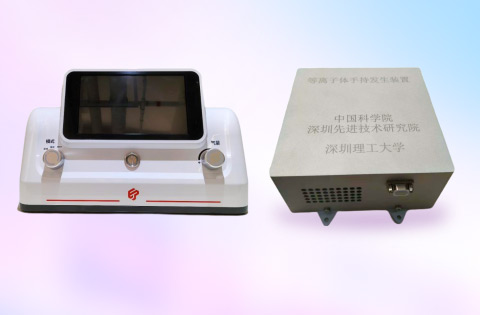
Comprehensive Plasma Therapeutic Apparatus for Refractory Wounds
Product Introduction:
Plasma is regarded as the fourth state of matter, following solid, liquid and gas. Rich in reactive oxygen and reactive nitrogen species, plasma exhibits promising application prospects in the fields of dermatological disorders, wound healing and tumor regulation. Cold Atmospheric Plasma (CAP) refers to non-equilibrium plasma generated under atmospheric pressure with gas temperature close to or slightly above room temperature. Featuring negligible thermal damage and high concentration of active particles, CAP integrates the properties of substance, multi-physical fields and energy. Compared with alternative technical approaches, it presents distinct superiorities including antibacterial and anti-inflammatory effects, tissue regeneration promotion, as well as painless and non-invasive treatment.
Refractory wounds, also defined as chronic wounds, refer to open wounds that fail to show any tendency toward healing after more than one month of standardized treatment, due to local or systemic pathological factors interfering with the normal healing process. Common clinical types include diabetic foot ulcers, pressure ulcers, venous ulcers and radiation ulcers. At present, clinical interventions for refractory wounds remain limited worldwide. Plasma medical equipment offers an innovative and reliable therapeutic modality for the management of refractory wounds.
Space Application Scenarios:
In the space microgravity environment, alterations in human body fluid distribution and abnormal blood circulation may markedly slow wound healing and render wounds prone to progression into chronic conditions. By releasing reactive oxygen and nitrogen particles, the plasma therapeutic apparatus directly facilitates cell proliferation and collagen synthesis, accelerates tissue regeneration, and counteracts healing delay induced by microgravity. The device requires no liquid or gel medium; plasma acts on the wound surface in gaseous form, avoiding liquid splashing and cabin environmental contamination under weightless conditions. Furthermore, the apparatus is capable of both cutaneous ulcer treatment and surface disinfection of instruments such as medical tools and wearable device interfaces, achieving multi-functional integration with a single device.
Microfluidic Chip-Based Cell Analysis Device
Product Introduction:
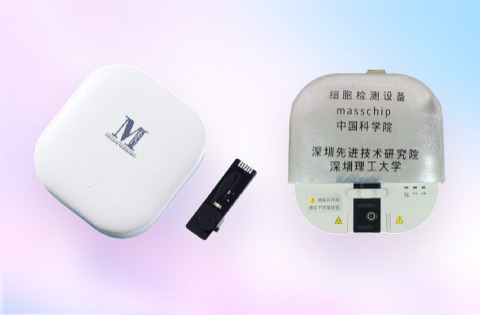
Leveraging innovative microfluidic chip technology with fully independent intellectual property rights, the device enables rapid point-of-care cell analysis on a microfluidic chip the size of a note paper. The disposable single-use chip eliminates cross-contamination and features high safety, reliability and ready-to-use availability. The instrument adopts a liquid-free internal design with no maintenance or upkeep required. Lightweight and portable (weighing less than 500 grams), it supports on-site immediate detection and offers prominent advantages including portability, simple operation and low cost. In blood testing scenarios, it meets the demands for blood cell analysis in diverse settings such as family medicine, emergency care, pre-hospital rescue and field operations, and supports wired and wireless connection with intelligent terminals. It is also applicable to scientific research, capable of identifying cells with diameters ranging from 2 μm to 40 μm.
Space Application Scenarios:
The device features light weight and compact size, consuming minimal precious cabin space. Its user-friendly operation requires no professional laboratory expertise, allowing astronauts to master its use after brief training. With no complex internal fluidic circuits, the maintenance-free design averts potential catastrophic risks such as pipeline blockage and liquid leakage under microgravity conditions. The single-use disposable chip model completely eliminates cross-sample contamination and the risk of biological pollution within the enclosed cabin, ensuring a safe and fully controllable sample processing procedure.
POCT Fully Automatic Blood Cell and Genetic Detector
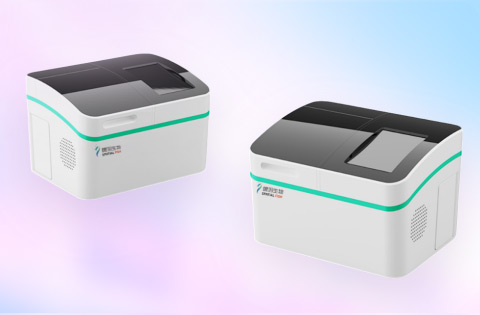
Future medicine is undergoing a comprehensive transformation from the traditional disease-treatment model to a new medical paradigm centered on health maintenance, prediction, personalization and precision. Precision genetic diagnosis serves as an essential prerequisite for stratified therapy and precision medicine. Focusing on precision molecular pathological diagnosis, this project has developed an integrated automatic detection device and supporting series of genetic detection kits. It enables point-of-care testing (POCT) for precise genetic diagnosis and meets detection requirements for conventional loci, emerging loci and multiplex assays at both DNA and RNA levels. Integrated with artificial intelligence and big data technologies, the solution can be further applied to medical image analysis, auxiliary diagnosis, drug research and development, and other healthcare fields. Adopting a sample-in to result-out integrated design, the device substantially reduces reliance on professional operators and facilitates the realization of telemedicine, space-based medical services and equitable medical access. Compared with conventional genetic testing methods, POCT-based precise genetic diagnosis presents distinctive advantages: 1. High integration and automation. It enables user-friendly one-click operation and significantly lowers requirements for professional personnel and laboratory environments. 2. Rapid detection. It greatly shortens the clinical diagnosis and treatment decision-making cycle.
Application Scenarios and Market Potential
Application Scenarios:
1. Rapid genetic detection of blood cells, utilizing molecular biomarkers for early tumor screening and precise diagnosis.
2. Intraoperative rapid molecular classification during tumor resection and companion diagnosis for targeted therapy.
3. Portable and rapid detection suitable for primary healthcare institutions to enhance diagnostic capacity in remote regions, as well as for future medicine and space medical applications, substantially improving the accessibility of precision medicine.
Market Development Potential:
Precise genetic diagnosis boasts enormous market potential and a high growth rate, regarded as the next high-growth golden track within the in vitro diagnostic industry. Tumor targeted therapy and personalized medication have evolved into standard clinical pathways. Genetic testing enables rapid acquisition of genetic information to formulate precise treatment regimens and greatly optimize clinical diagnosis and treatment workflows. The integrated sample-in to result-out design significantly reduces technical barriers for operators, perfectly meeting clinical demands for faster, more accurate and more convenient diagnosis. Driven jointly by technological advancement and strong market demand, precise genetic diagnosis will accelerate the development of future medicine, representing a promising blue ocean market with abundant opportunities for investors, enterprises and medical institutions.
Development of DR5-Targeted CAR-T Cell Therapy Targeting Broad-Spectrum Solid Tumor Antigens
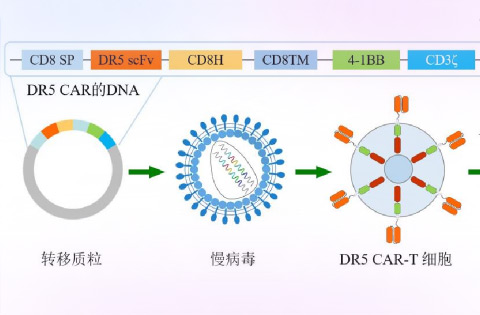
Death Receptor 5 (DR5) is highly expressed on the surface of a variety of solid tumor cells, myeloid-derived suppressor cells (MDSCs), and cancer-associated fibroblasts (CAFs). Accordingly, the developed DR5 CAR-T cells can not only directly kill tumor cells but also eliminate MDSCs and CAFs, thereby enhancing the overall antitumor efficacy. Furthermore, the single-chain variable fragment (scFv) expressed by DR5 CAR-T cells is derived from an agonistic antibody. Upon binding to DR5 on the surface of target cells, it initiates the apoptotic program of targeted cells. In summary, DR5 CAR-T cells exert cytotoxic effects on solid tumor cells, MDSCs and CAFs through two synergistic mechanisms: activating T cells to secrete killing factors and directly inducing target cell apoptosis. Compared with conventional CAR-T cells, they deliver superior antitumor performance via multi-mechanism synergistic effects.
Application Scenarios and Market Potential:
The CAR-T cell therapy involved in this project represents a cutting-edge antitumor biotechnology, categorized under the Cell and Gene Therapy sector, one of Shenzhen’s eight major future industries. Addressing the core challenges faced by CAR-T therapy in the treatment of solid tumors and breaking through the bottlenecks restricting its development is of great significance to socioeconomic advancement.
CAR-T therapy is an innovative cellular immunotherapy for cancer. It constructs artificial receptors on patients’ autologous T cells to recognize tumor antigens and activate T cells to generate potent antitumor responses. Since the launch of the first CAR-T product in 2017, a total of 12 CAR-T cell therapies have been approved worldwide, all exclusively for hematological malignancies. Nevertheless, the morbidity and mortality of solid tumors far exceed those of blood cancers globally. Regrettably, no CAR-T product targeting solid tumors has yet been approved for clinical use, creating an urgent demand for the development of novel CAR-T therapeutics against solid tumors.
Compared with hematological malignancies, the fundamental limitation of CAR-T therapy against solid tumors lies in insufficient cytotoxic potency. To overcome this challenge, the proposed DR5 CAR-T cell therapy enhances antitumor efficacy through multiple pathways and targets a broad spectrum of solid tumors, ultimately benefiting a large patient population with solid tumors. Specifically, DR5 CAR-T cells possess broad-spectrum efficacy against diverse solid tumors. They kill solid tumor cells, MDSCs and CAFs via dual functional mechanisms: triggering the secretion of cytotoxic factors by T cells and directly inducing target cell apoptosis, thereby generating robust multi-dimensional synergistic antitumor effects. With extensive application prospects, this DR5 CAR-T candidate boasts enormous market development potential.
WG103 Human Umbilical Cord Mesenchymal Stem Cell Injection
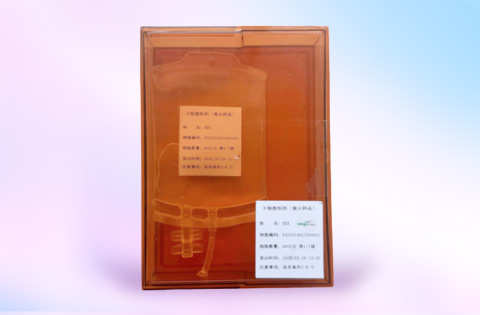
WG103, the Company’s first novel stem cell drug for neurological diseases, is developed for the treatment of Acute Ischemic Stroke (AIS). A multicenter clinical trial is being conducted in collaboration with nearly ten national stroke centers led by Beijing Tiantan Hospital, with Professor Wang Yongjun, President of Beijing Tiantan Hospital and a leading authority in Chinese neurology, serving as the principal investigator. To date, the Company has successfully completed Phase I clinical trial with 24 enrolled patients, verifying the safety and preliminary efficacy of WG103. The Phase II clinical program is being rapidly advanced, with full patient enrollment scheduled to be completed in 2025. It is expected to become the first marketed stem cell new drug for neurological diseases, targeting a clinical market with a potential value in the hundreds of billions.
In addition, the Company has established a tiered innovative stem cell drug pipeline targeting diseases of the digestive, reproductive, circulatory and other systems with limited effective treatment options. The portfolio includes three stem cell candidates with accepted Investigational New Drug (IND) applications, indicated for ulcerative colitis, premature ovarian insufficiency, and idiopathic pulmonary fibrosis, as well as nationally filed clinical research projects for liver failure and acute respiratory distress syndrome. Among them, the stem cell clinical research on acute-on-chronic liver failure is jointly carried out with Academician Wang Fusheng of Chinese PLA General Hospital and has completed national filing. Approved as a key special project under China’s 14th Five-Year Plan, the trial has enrolled 57 patients and is currently in Phase II clinical stage.
In the field of exosome therapeutics, Wingor Biotechnology has built solid technological foundations and established a dedicated exosome platform to address bottlenecks in large-scale exosome production. Its exosome-based drug delivery platform has also received financial support from Shenzhen’s Strategic Emerging Industry Fund. Relying on this platform, the Company is vigorously advancing the global first-in-class research and development of exosome-conjugated nucleic acid drugs, and has achieved major breakthroughs in the research, development and commercialization of cell-derived exosome products.
Application Scenarios and Market Development Potential:
According to the latest China Stroke Report, more than 3.5 million new stroke cases occur annually in China, among which ischemic stroke accounts for over 85% of all strokes, and Acute Ischemic Stroke (AIS) accounts for 70%, translating to over 2.45 million new AIS patients each year. The report also indicates that the number of existing stroke patients in China has reached approximately 28 million. With the aging population and the rising prevalence of risk factors such as hypertension and diabetes, the overall disease prevalence continues to grow, forming a steadily expanding patient base in need of treatment. Assuming that 10% of newly diagnosed patients (approximately 250,000 individuals per year) meet the enrollment criteria for the Company’s stem cell therapy, and with an estimated treatment cost of RMB 40,000 per course, the potential domestic market size alone could reach several billions to tens of billions of RMB annually. This does not include expanded applications for patients with chronic stroke sequelae or future overseas market potential.
Based on its existing product layout, Wingor Biotechnology will further expand into additional stem cell indications and exosome therapy markets in the future, boasting broad application prospects and enormous market scale.
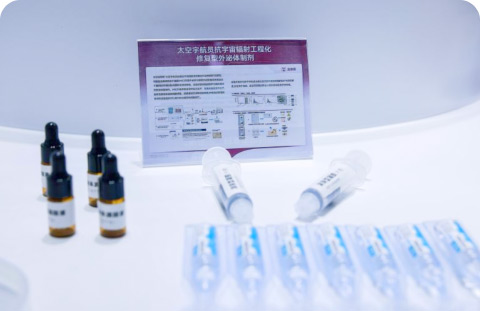
Engineered Repair-Type Exosome Formulation for Astronaut Anti-Cosmic Radiation
This project focuses on the research and development of a skin repair exosome formulation for cosmic radiation protection and damage repair for astronauts. By innovatively combining mesenchymal stem cell (MSC)-derived exosomes with an intelligent hydrogel carrier system and lyophilization technology, it constructs a composite skin repair formulation featuring sustained release, deep repair and radiation protection capabilities. MSC exosomes are rich in a variety of growth factors, antioxidant enzymes and signaling molecules, which can remarkably facilitate skin cell repair, collagen reconstruction and skin barrier restoration. They also effectively eliminate radiation-induced reactive oxygen species (ROS) and reduce DNA damage and cellular apoptosis. The hydrogel system enables sustained release and targeted permeation of exosomes, forming a stable protective microenvironment on the skin surface. The adoption of lyophilization technology substantially enhances the storage stability and transportation accessibility of the formulation. It preserves the bioactive components of exosomes for a prolonged period without cold chain support, facilitating application in space environments and terrestrial end-products. Featuring high biosafety, superior stability and ease of use, the formulation presents prominent advantages in both radiation protection and injury repair.
Application Scenarios and Market Development Potential:
The formulated technology can be applied to skin radiation protection and injury repair for astronauts engaged in long-duration space missions. It is also suitable for professional groups exposed to high-radiation environments such as nuclear energy and aviation industries, as well as for high-end medical aesthetic skincare scenarios. Combined lyophilization and hydrogel technologies support the further development of serialized products including portable repair masks, lyophilized powder essences and medical dressings, catering to personalized demands across diverse application scenarios. With the rapid integrated development of the exosome industry, medical aesthetic skincare and space biomedicine, this achievement possesses broad market prospects and commercialization potential, and is expected to lead a new development trend in functional exosome skincare and intelligent biological protection.
Engineered Bacteriophages for the Treatment of Multidrug-Resistant Bacterial Infections
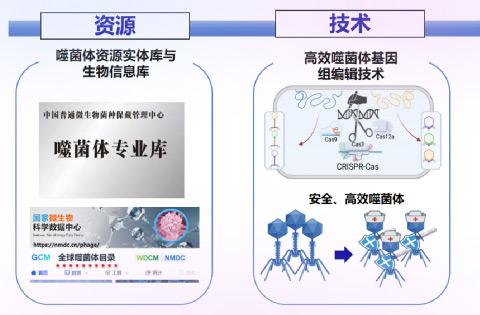
Breaking through the limitations of natural phage therapy, this project adopts an independently developed high-throughput phage screening platform and CRISPR-Cas gene editing technology to enable precise programming and optimization of phage genomes, thereby developing safer and more efficient engineered bacteriophage therapeutics. The core technologies include: 1. A high-throughput automated phage isolation and identification platform capable of rapid phage matching within 2 to 3 days and establishing a phage library at the thousand-strain scale; 2. Clinical-grade purification processes that ensure endotoxin levels below international standards (<0.01 EU/ml); 3. A synthetic biology platform that applies gene editing to remove harmful genes and enhance functional performance. These technologies address the key bottlenecks of conventional phage therapy, namely difficulties in phage discovery, purification, and genetic modification. The platform has already been applied successfully in personalized treatment, benefiting more than 40 critically ill patients. Representing an evolutionary leap from conventional screening to intelligent design and manufacturing, this innovative model delivers high efficiency, safety, and standardizability, with core patents in place, promising broad prospects for medical applications.
Application Scenarios and Market Development Potential
The project’s core products and services focus on the healthcare applications of phage therapy.
1. Personalized Phage Therapy ServicesAs the flagship offering, customized one-patient-one-strategy therapeutic regimens are provided for critically ill patients infected with multidrug-resistant “superbugs” who fail to respond to conventional antibiotics. Through hospital collaborations, optimized phage preparations are matched and formulated via restricted medical technology or dedicated phage screening services. The approach has been successfully applied to severe conditions such as bacterial pulmonary infections.
2. Generalized Engineered Bacteriophage New DrugsA key pipeline under development focuses on standardizable broad‑spectrum phage therapeutics primarily targeting pulmonary bacterial infections. Leveraging synthetic biology engineering, novel phage candidates with enhanced bactericidal potency and safety are being developed, with priority plans for FDA submission in the United States.
The project is accelerating industrial layout and plans to complete a RMB 20 million angel round of financing in the second half of 2025 to upgrade core technological platforms, with pre-IND preparation targeted for completion in 2026. It follows a staged development path from personalized medical services toward clinical research of proprietary human drugs. Target clients cover key hospital departments including ICU, respiratory medicine, and orthopedics, with planned expansion into emerging markets such as medical aesthetics and animal health. The long-term vision is to build a globally leading comprehensive ecosystem for phage technology applications.
The global phage market is projected to reach 152 million U.S. dollars by 2030 at a compound annual growth rate of 18.8%, while the China market is expected to attain RMB 4.687 billion by 2030. The project’s revenue is projected to grow in phases: personalized therapy revenue is expected to reach RMB 4 million in the initial year of 2025–2026 with an annual growth rate of 30%–50%, rising to RMB 8 million annually by 2026–2027. Following the launch of engineered phage new drugs, annual revenue is anticipated to exceed RMB 50 million within the third year after commercialization. Possessing technological leadership within the rapidly expanding phage industry, the project delivers substantial economic and social benefits.
Microfluidics-Based Deep-Space System for Stem Cell and Organoid Differentiation, Morphogenesis and Monitoring
Technological Achievements and Advantages:
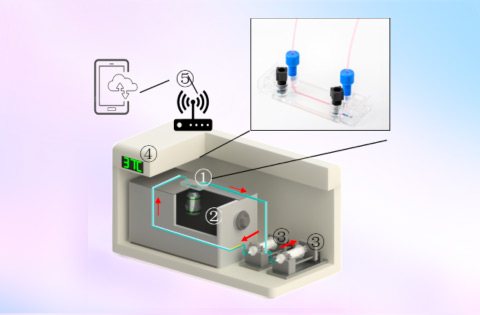
This project develops a microfluidics-based integrated system for the differentiation, morphogenesis and real-time monitoring of stem cells and organoids, tailored to the significant demands of cutting-edge life science research and astronaut health assurance in future deep-space exploration missions. Deeply integrating microfluidic chip technology, intelligent sensing, automatic control and optical imaging techniques, the system enables innovative in-situ, dynamic and high-throughput monitoring of the entire process of human stem cell directed differentiation and three-dimensional organoid morphogenesis under extreme deep-space environments, including microgravity, high radiation and weak magnetic fields. Featuring ultra-miniaturization, high integration, full-process automation and intelligent monitoring, the system is well-positioned to advance progress in space medicine and accelerate clinical translation for terrestrial applications.
Application Scenarios and Market Potential:
On the one hand, the technology provides organoid disease models for evaluating health risks induced by long-duration deep-space flight, including astronaut organ function degeneration, immune dysregulation and tumor susceptibility. On the other hand, extreme deep-space environments serve as unique biological perturbation factors, which facilitate the discovery of novel regulatory mechanisms underlying organoid development. Such findings can in turn empower terrestrial translational research covering regenerative medicine, personalized drug screening, as well as aging and oncology studies, demonstrating remarkable translational medical value and application potential.
Novel Bioenergetic PHA Artificial Bone Product
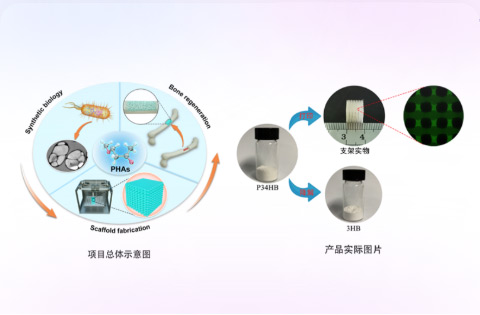
Addressing the clinical challenges of bone defect repair, this project delivers original breakthroughs in the field of biomaterials. By adopting synthetic biology and systems biology technologies, the research team engineered halophilic bacteria for the first time and successfully synthesized degradable natural polymeric polyester Poly(3-hydroxybutyrate-co-4-hydroxybutyrate) (P34HB) with inherent bioenergetic activity, pioneering its application in bone defect repair. The technological innovation covers the full industrial chain, including gene editing, strain modification, fermentation regulation, material forming and medical translation. The core breakthrough lies in the precise modulation of the chemical composition ratio of P34HB, which constructs a material system with gradient mechanical properties to accommodate diverse repair requirements and ensures that degradation products effectively regulate cellular metabolism. Different from conventional inert implants or repair materials relying on exogenous growth factors, the P34HB artificial bone achieves a paradigm shift from mere biocompatibility to intrinsic bioenergetic empowerment. As an active implant, it not only provides a three-dimensional scaffold for tissue ingrowth, but its degradation products also serve as an endogenous bioenergy source to directly energize repair-related stem cells, functioning as an in-situ energy battery within the implanted bone site. It fundamentally accelerates bone regeneration at the energy metabolism level. Eventually, the material integrates into newly formed bone tissue in the form of natural bone components. With its multi-functional advantages, the product possesses significant commercial value and broad application potential in tissue-engineered artificial bone solutions.
Application Scenarios and Market Development Potential:
China registers over 5 million patients with bone defects annually, supporting a domestic bone repair material market approaching nearly tens of billions of RMB. Possessing dual functions of facilitating bone regeneration and ameliorating osteoporosis, the product demonstrates enormous clinical demand and market prospects. Its multi-functional characteristics substantially enhance product added value, enabling it to break the international monopoly of high-end bioactive bone repair materials, reduce overall medical costs, and generate profound social and economic benefits.

- Address: No. 1 Gongchang Road, Guangming District, Shenzhen
- Career Opportunities:recruit@suat-sz.edu.cn
- Party and Administration Office:0755-88802131
- Main line:0755-88802999


版权所有: 深圳理工大学粤ICP备2021148220号 粤公网安备44030002008114号