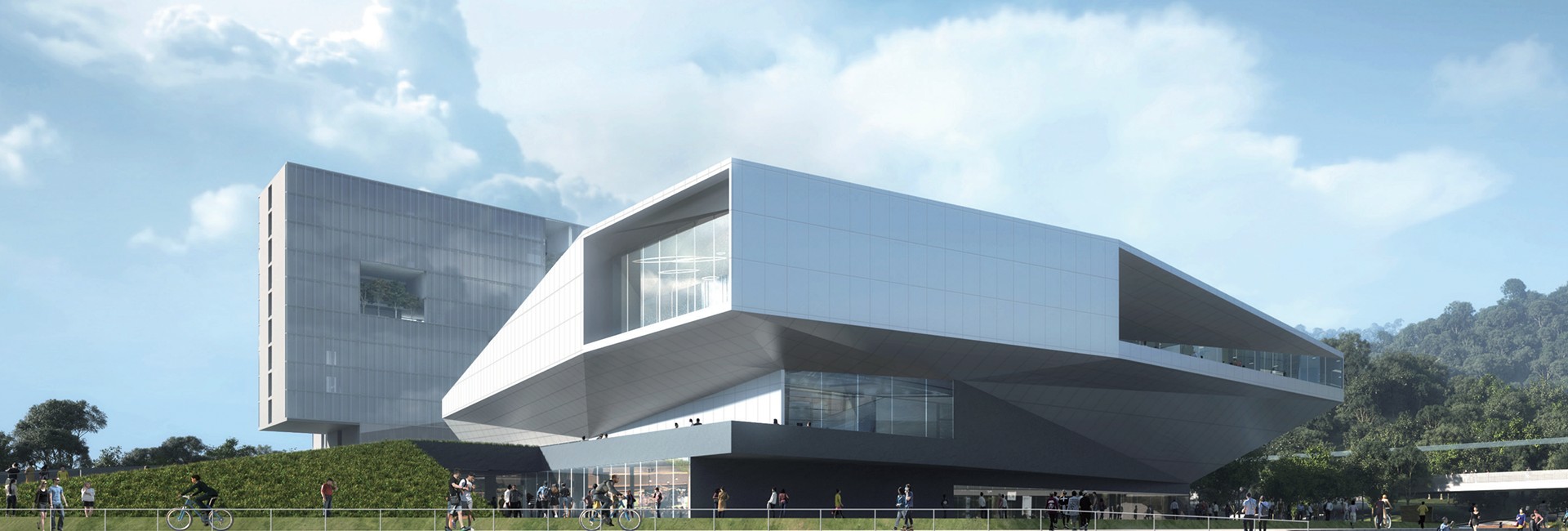
On May 26, the Shenzhen University of Advanced Technology (SUAT) Faculty of Biomedical Engineering held the 6th session of the "Master Lecture Forum" academic event. Honorary Professor Shintaro Funahashi from Kyoto University in Japan, a renowned neuroscientist, delivered a lecture titled "Path to Understanding the Human Mind: Animal Studies on the Prefrontal Cortex," bringing a frontier academic report full of depth and inspiration to faculty and students.
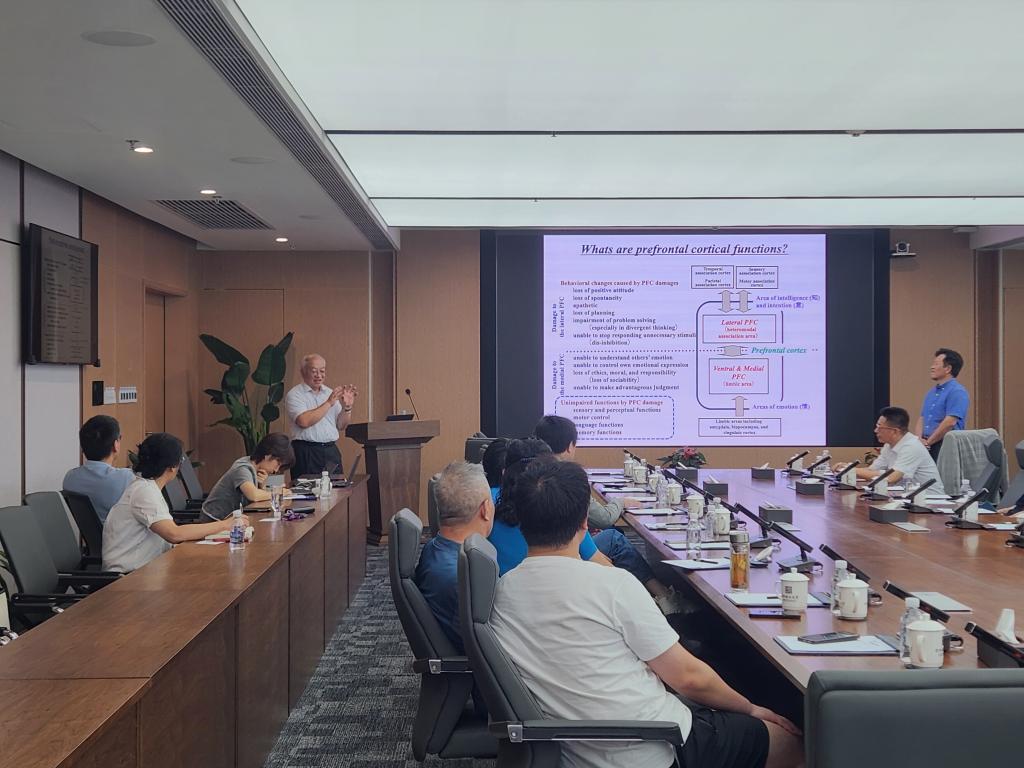
As a foundational scholar in prefrontal cortex (PFC) research, Shintaro Funahashi is highly regarded for his academic background spanning the United States and Japan. He has engaged in teaching and research at Yale University School of Medicine in the United States and Nara Medical University and Kyoto University in Japan. His team, through cross-validation of rhesus monkey models and human cognitive studies, first systematically revealed the core mechanisms of PFC in memory encoding and decision regulation, with related results published in top journals such as Nature and Neuron, cited over ten thousand times.
Shintaro Funahashi outlined key breakthroughs in PFC research from basic discoveries to clinical translation along a timeline. "Animal models are the 'key' to unlocking human higher-order cognition. " Shintaro Funahashi said that his team successfully constructed a "working memory-attention" dynamic computational model by comparing rhesus monkey PFC neuron firing patterns with human behavioral experimental data, providing new targets for interventions in diseases such as Alzheimer's and schizophrenia.
When discussing the milestone paper completed over 7 years at Yale University, Shintaro Funahashi evoked resonance with his perseverance in scientific research of "sharpening a sword for seven years." He stated, "True scientific research requires enduring loneliness. " The paper's results first confirmed the real-time encoding function of PFC neurons for spatial memory, and it remains a classic case in textbooks to this day. This academic perseverance of "sitting on the cold bench" profoundly interprets the scientific research character of "problem-oriented, long-term deep cultivation," triggering deep reflection on scientific research values among young scholars present.
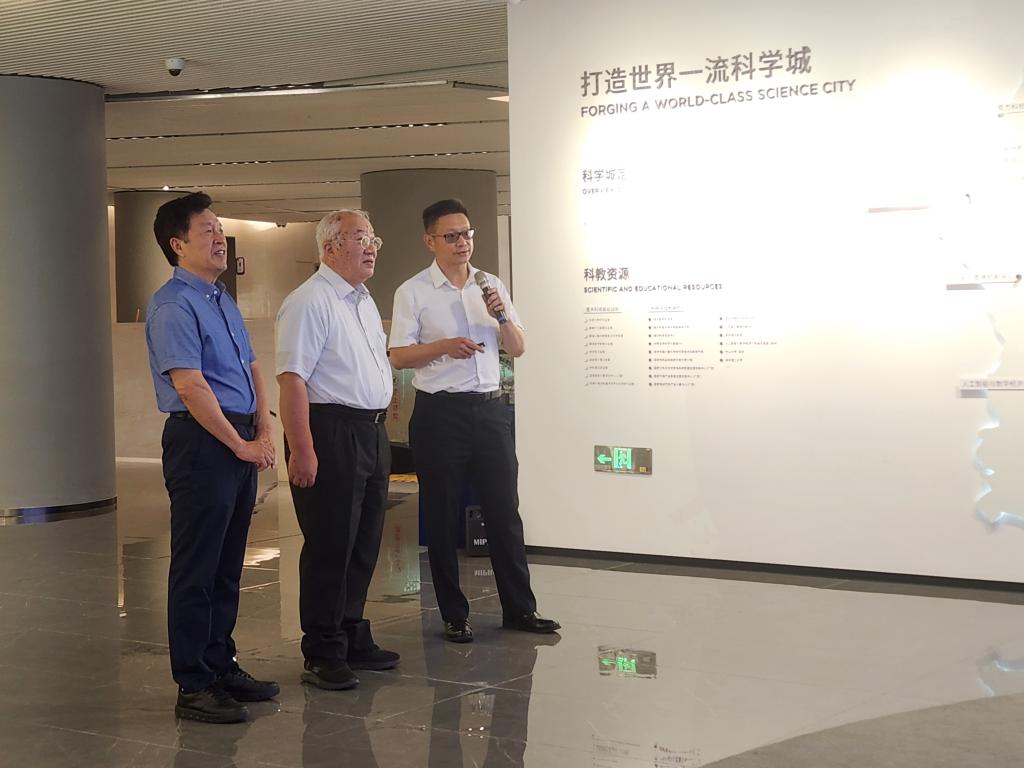
Accompanied by Chair Professor Wu Jinglong from the Faculty of Biomedical Engineering, Shintaro Funahashi also visited SUAT, highly praising the university's advanced research facilities, interdisciplinary innovation platforms, and strong academic atmosphere: "The construction speed and planning vision here are astonishing, especially showing unique advantages in brain-machine interfaces and neural engineering. "
Song Bing, Deputy Dean of the Faculty of Biomedical Engineering, stated that Shintaro Funahashi's visit provided a new international perspective for the university's neuroscience research. "In the future, SUAT will take this exchange as a starting point to promote substantive cooperation with Kyoto University in talent visits, data sharing, and other aspects. "
 CN
CN