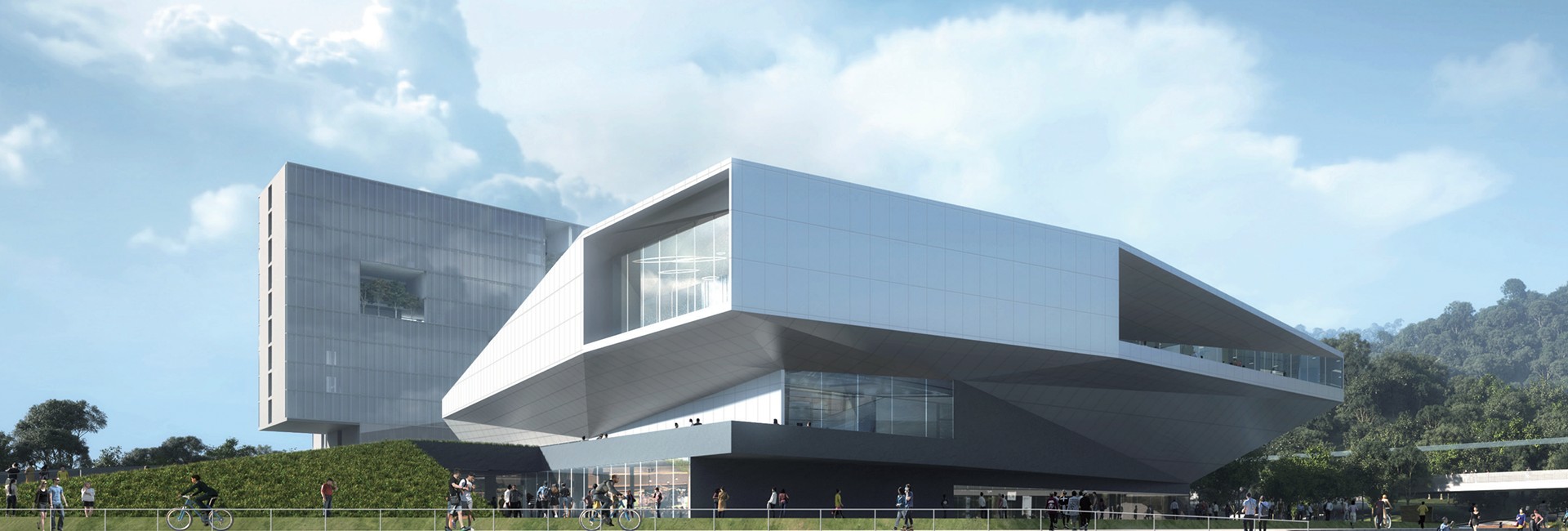
On May 17, internationally renowned scientist and Fellow of the Royal Society John Wood, along with Professor Li Huiliang from the Department of Cell and Molecular Neuroscience at University College London School of Medicine, were invited by the Faculty of Biomedical Engineering to participate in Shenzhen University of Advanced Technology (SUAT)'s "Master Afternoon Tea" event. They engaged in face-to-face exchanges with over ten undergraduate, master's, doctoral student representatives, and international students from various disciplines, freely discussing thoughts on higher education, scientific research, and talent cultivation.
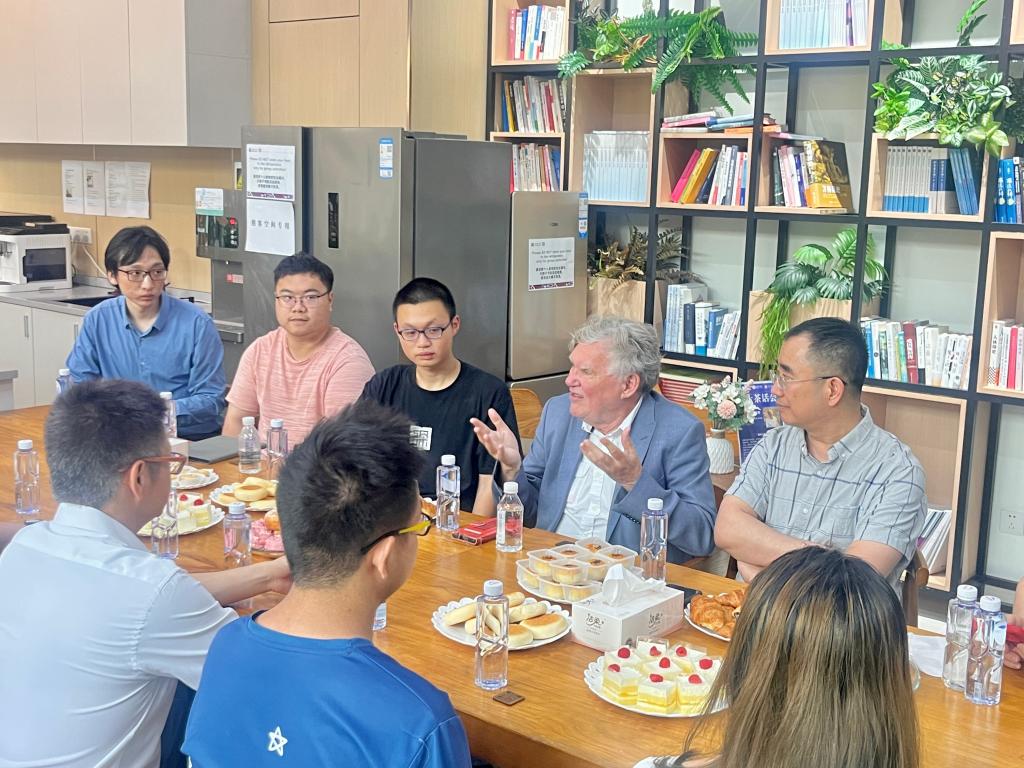
John Wood has been deeply engaged in the life sciences field for many years and shared his thoughts with students based on his rich experience. He mentioned that the current world is in a stage of rapid change coexisting with geopolitical uncertainty, and arbitrary cuts in research funding by certain countries have seriously disrupted global scientific collaboration, threatening the sustainable development of the international scientific community.
"Young scholars should uphold the scientific research spirit of 'sharpening a sword for ten years,' focusing on high-quality, original achievements rather than pursuing quantity accumulation. Scientific research is never achieved overnight; even if it takes ten years for one achievement, as long as it is solid enough, it is sufficient to advance humanity. " John Wood offered advice to young scholars in the context of the current global research environment.
John Wood highly praised SUAT's educational philosophy and talent cultivation model, commending the university's collaborative education model integrating "college, research institute, and residential college," as well as its practice-oriented education system of "integration of science and education as well as industry and education." He believes that university development must be closely integrated with social needs and industrial practices to promote the transformation of scientific and technological achievements into real productive forces; otherwise, universities will become ivory towers detached from reality and difficult to develop sustainably. At the same time, this collaborative mechanism can effectively connect academic research with industrial needs, helping to cultivate interdisciplinary talents with global competitiveness. "The first cohort of undergraduates has only 120 students, which embodies elite education. They will receive more personalized attention and guidance—how fortunate! "
When discussing talent cultivation, John Wood particularly emphasized the importance of international exchanges and global vision for young talent development. He encouraged students to actively "go out" in their academic growth, participate in international cooperation, and broaden their horizons. He warmly invited everyone: "I hope you can find time to visit and see the research and teaching atmospheres at different universities, as well as how universities closely integrate research with social practice. " At the same time, he looks forward to the two universities exploring the establishment of joint cultivation programs in the future to jointly cultivate international innovative talents oriented toward the future.
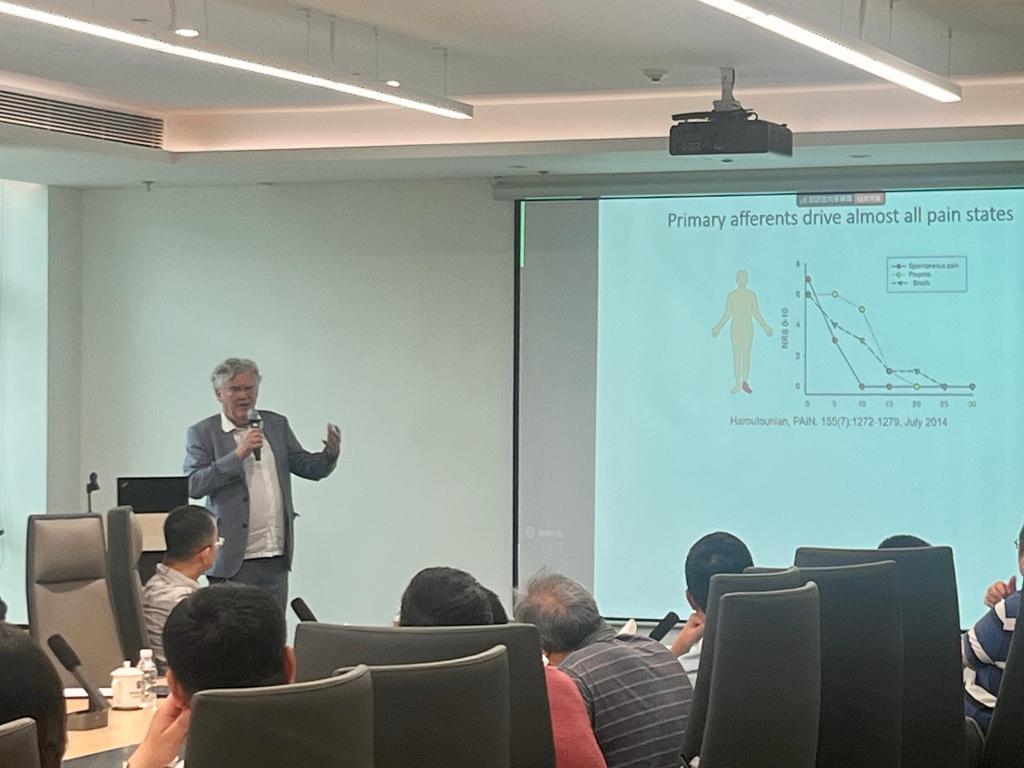
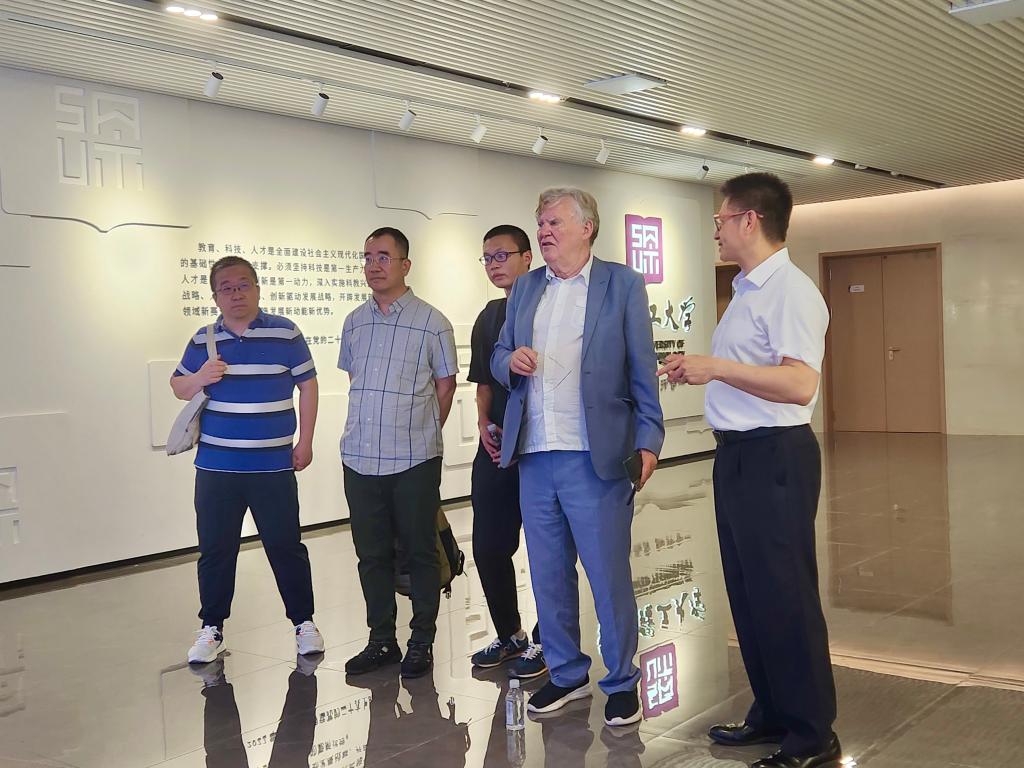
On the same day, John Wood and Li Huiliang delivered thematic academic reports at the fourth and fifth sessions of the "Master Lecture Forum" in the Faculty of Biomedical Engineering, conducting in-depth discussions on scientific research achievements, talent exchanges, and other topics, bringing frontier educational concepts and profound research insights to faculty and students. Accompanied by Song Bing, Deputy Dean of the SUAT Faculty of Biomedical Engineering, they also visited the university exhibition hall, gaining a detailed understanding of SUAT's overall development planning, research platform construction, and talent cultivation system, and expressing appreciation for the achievements in university construction, educational characteristics, and scientific research.
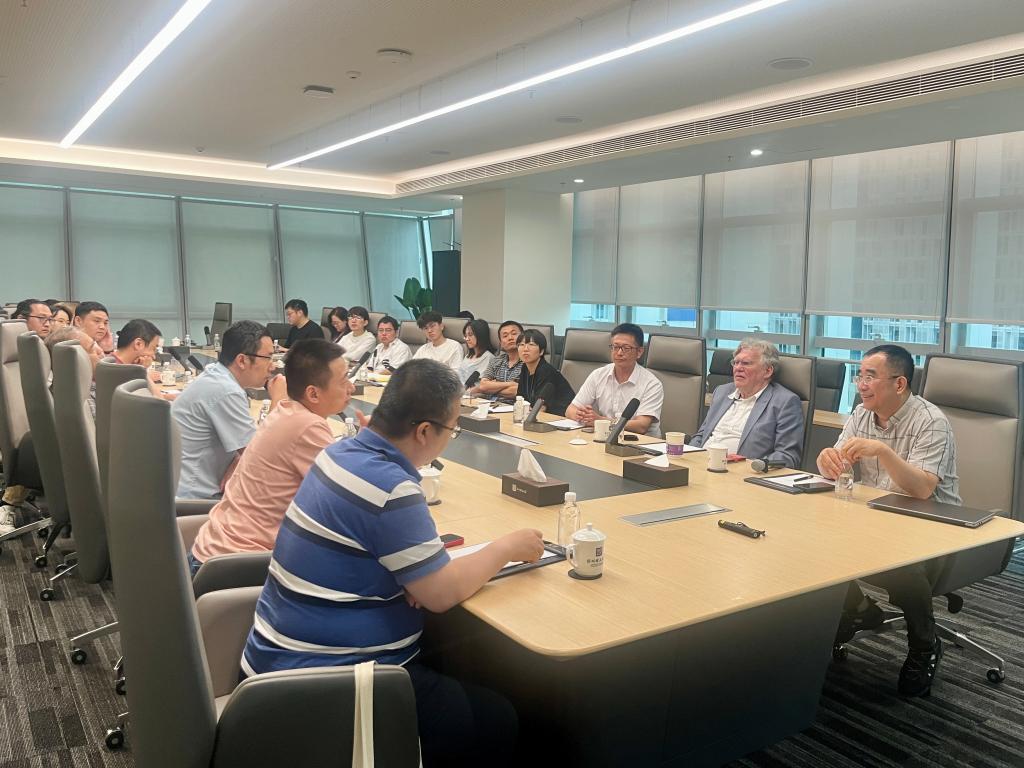
Under the "Master Guidance" talent cultivation model, students can closely experience the demeanor and thinking of masters, breaking the mystery of academia. Last semester, the university also invited 2 Nobel laureates, 1 Turing Award winner, 1 world champion, 1 former foreign president, and multiple academicians to SUAT for small-group face-to-face discussions and exchanges.
As international cooperation continues to advance, SUAT will uphold an open and inclusive educational philosophy, continuously expand the breadth and depth of international exchanges and cooperation, invite more renowned masters to SUAT, build more international exchange platforms, and inject new momentum into building a high-level new-type research university.
 CN
CN