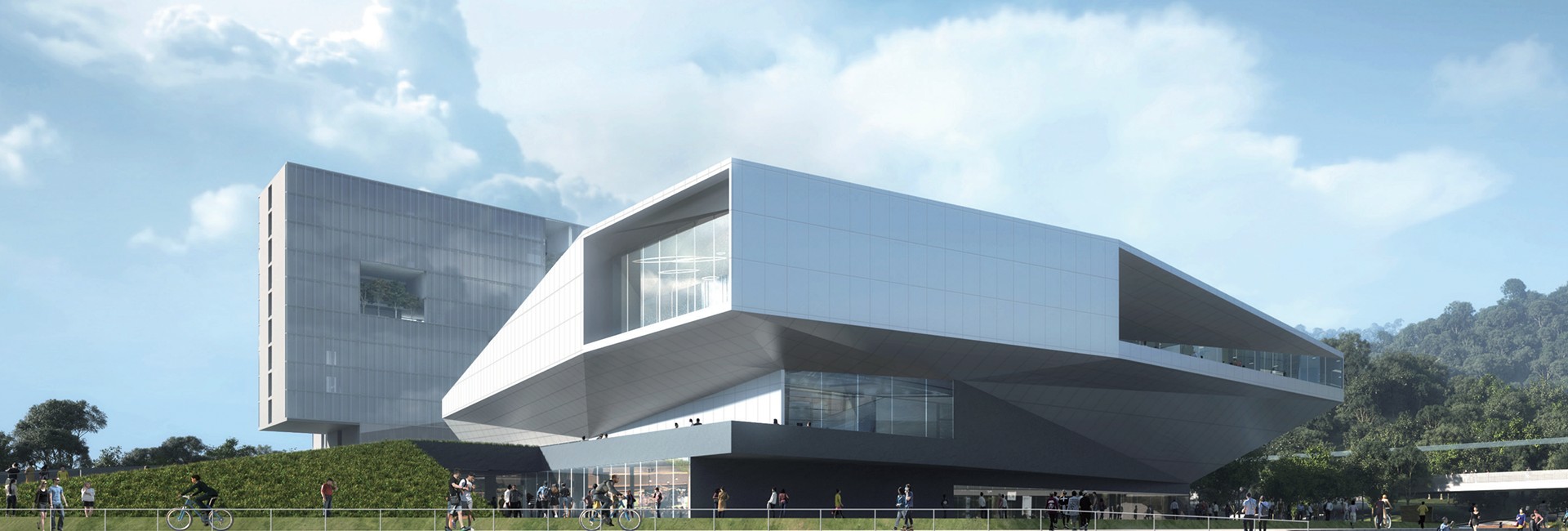
On April 16,a delegation led by Li Weichun, Global Vice President of Electrical and Electronic Products Services and Vice President of Solar and Commercial Products Services for Greater China at TÜV Rheinland Germany, visited Shenzhen University of Advanced Technology (SUAT) to discuss industry-academia-research cooperation.
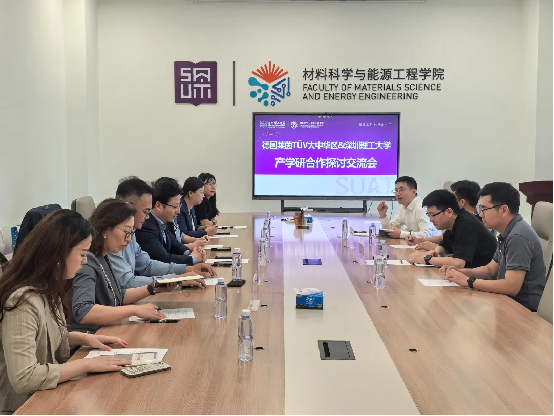
This exchange focused on collaborative innovation in industry-academia-research in the new energy field. TÜV Rheinland Germany and the SUAT Faculty of Materials Science and Energy Engineering discussed core topics such as talent cultivation, joint development of technical standards, and upgrading of research testing platforms, committed to integrating resources to bridge the "last mile" of advanced technology industrialization and injecting new momentum into the high-quality development of the new energy industry.
The two sides reached consensus on multidimensional future cooperation
↓↓↓
In talent cultivation, SUAT will introduce theTÜV Rheinland Germany corporate mentor mechanism, carry out joint course development and practical training projects, enhance students' practical abilities, and better align with actual industrial needs. At the same time, leveraging TÜV Rheinland Germany's global certification experience in photovoltaics, energy storage, hydrogen energy, and other fields, the two sides will jointly formulate new energy technical standards to assist in industry standardization and internationalization.
To promote the translation of technological achievements,the two sides plan to jointly build the "TÜV Rheinland—SUAT Joint Innovation Center." The center will integrate testing and certification capabilities with university research resources to create an open innovation platform integrating R&D, testing, and achievement incubation. Moreover, TÜV Rheinland Germany's existing testing platforms will be further upgraded in the cooperation, expanded into comprehensive carriers with teaching, research, and certification functions, not only serving product testing but also embedded in curriculum systems and research practices, supporting SUAT students in engineering training in real scenarios and providing high-quality data support for frontier research.
In addition,SUAT plans to build an advanced energy pilot platform on campus focusing on directions such as photovoltaics and hydrogen energy to accelerate the translation of frontier technologies to industrial applications. TÜV Rheinland Germany will provide comprehensive technical support for the platform in key links such as equipment selection and safety assessment, ensuring efficient implementation and sustainable development of the project.
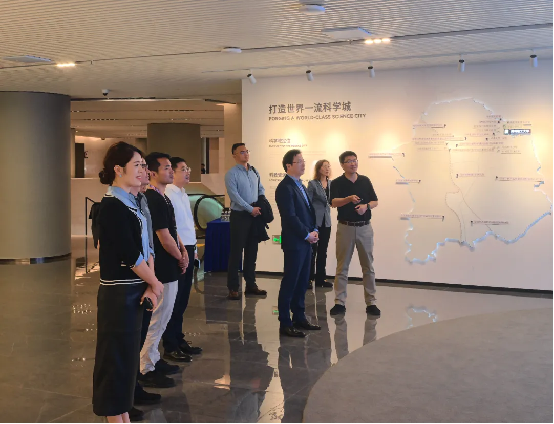
Before the meeting, the TÜV Rheinland Germany delegation visited the SUAT exhibition hall and research facilities on site, gaining a comprehensive understanding of the university's innovative layout in new energy materials.

Li Weichun stated that SUAT demonstrates strong vitality in basic research and innovative talent cultivation, forming a high degree of complementarity with TÜV Rheinland Germany's advantages in global industrial practices. This cooperation is a model of university-enterprise integration and an important practice of deep coordination between the innovation chain and industrial chain.
In the future,TÜV Rheinland Germany and SUAT will establish a long-term cooperation mechanism, jointly apply for national-level research projects and key laboratory qualifications, continuously improve the integrated development ecosystem of industry-academia-research-application, and jointly promote Chinese new energy technologies onto the international stage.
Participants included Lu Xiaohan, Senior Market Director of Solar and Commercial Products Services for Greater China at TÜV Rheinland Germany; Zhang Haizhou, Deputy General Manager of Sales; Wang Dawei, Deputy Dean of the SUAT Faculty of Materials Science and Energy Engineering; Assistant Professor Shi Zhifang; and Assistant Professor Lyu Fucong.
 CN
CN