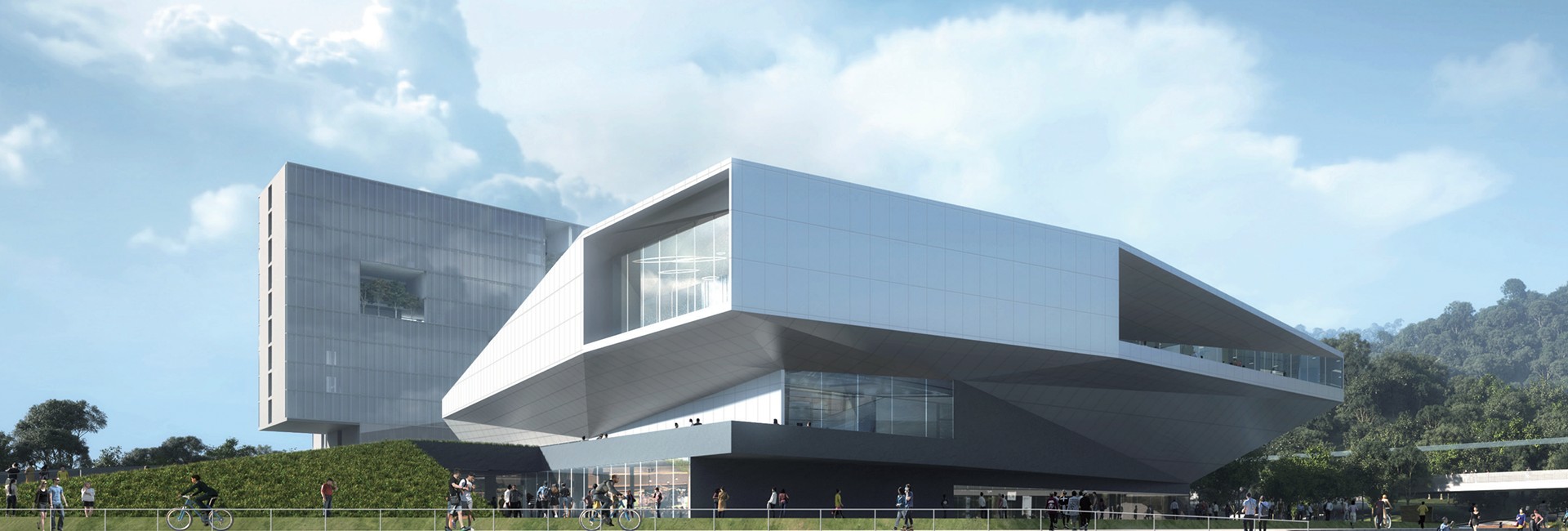
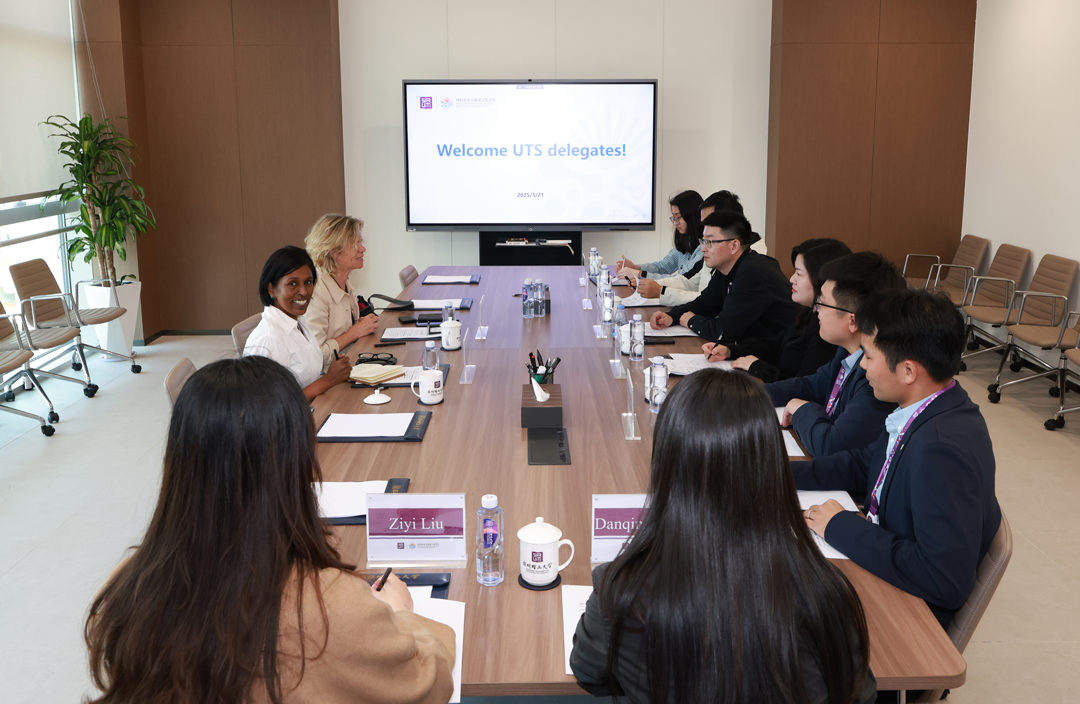
Recently,a delegation led by Professor Yamini Sindoba Sandiran, Dean of the Graduate School at the University of Technology Sydney, Australia, visited Shenzhen University of Advanced Technology (SUAT) to discuss the upcoming "Dual-Mentor International Doctoral Program (provisional name)" and scientific research cooperation.
Wang Dawei, Deputy Dean of the Faculty of Materials Science and Energy Engineering, led the University of Technology Sydney delegation to visit the SUAT Clean Energy Technology Laboratory, introduced the Faculty's research achievements in new energy materials, energy storage technology, and other fields, and discussed key cooperation areas.
Qian Zhenfei, Deputy Director of the Admissions and Cooperation Office (International Cooperation Center), introduced SUAT's educational philosophy, discipline layout, and international cooperation achievements to the delegation and discussed cooperation details around the Dual-Mentor International Doctoral Program (provisional name). In the future, the two universities will conduct comprehensive cooperation in student exchanges, credit programs, degree programs, young faculty visits, and international industry-academia-research collaboration, jointly promoting cross-regional technological innovation.
Next Steps
The two universities will accelerate the implementation of relevant cooperation projects
Further deepen
exchanges and cooperation in higher education and scientific research
and jointly cultivate top innovative talents with global competitiveness
Professor Alaina Ammit, Deputy Dean of the Faculty of Science at the University of Technology Sydney, and Assistant Professors Guo Xin, Jiang Jing, and Lyu Fucong from the SUAT Faculty of Materials Science and Energy Engineering participated in the exchange.
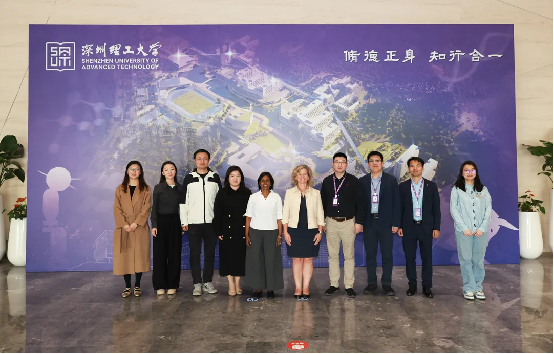
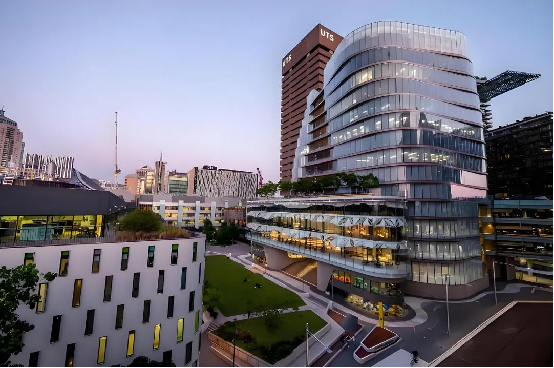
It is understood that the University of Technology Sydney is a top innovative public research university in Australia, renowned worldwide for its practice-oriented teaching model, cutting-edge research strength, and close integration of industry, academia, and research. It ranks 90th in the QS World University Rankings (2024) and has consistently topped the Times Higher Education Young University Rankings in Australia for many years. Its advantageous disciplines cover artificial intelligence, data science, renewable energy, biotechnology, digital media and design, among others, with computer science and engineering ranking in the global top 50 (2023 QS Subject Rankings). The university has established deep cooperation with global leading enterprises such as IBM, Microsoft, and Tesla, creating Australia's first "super laboratory" and quantum computing research center. It also leads multiple national-level clean energy projects in sustainable development, with its solar cell technology and green hydrogen energy R&D at the international leading level.
 CN
CN