Lili Campus Tour I
 SUAT
SUAT
Hey, future SUATers!
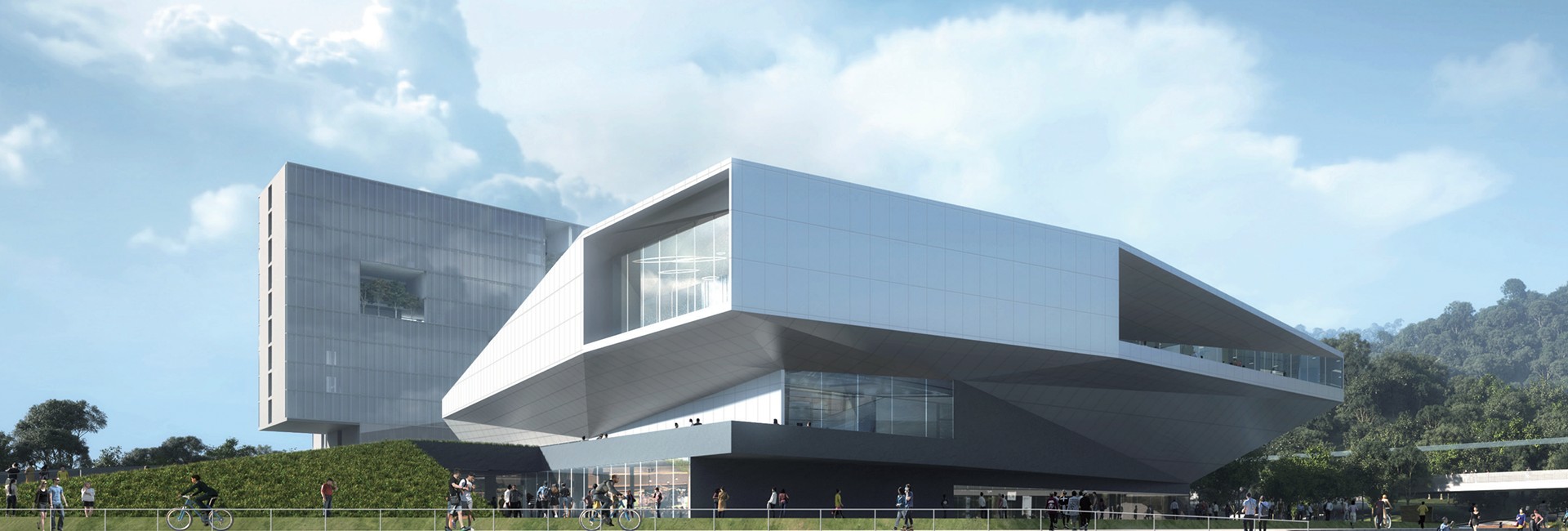
When imagining university learning scenes, perhaps you picture neatly arranged desks, tables piled with textbooks, or classrooms filled with reading voices? At Shenzhen University of Advanced Technology, learning is more vivid—it hides in heated discussions in movable-seat classrooms, in frontier lectures by Nobel laureates, in the interdisciplinary "one shelf, two subjects" library, and in impromptu debates in college cafes.
Today, let's walk into these real learning scenes together and feel how knowledge takes root, sprouts, and grows here.
Shenzhen University of Advanced Technology
Likes: 133
Exploring Diverse Learning Spaces
#Lili Campus Tour#
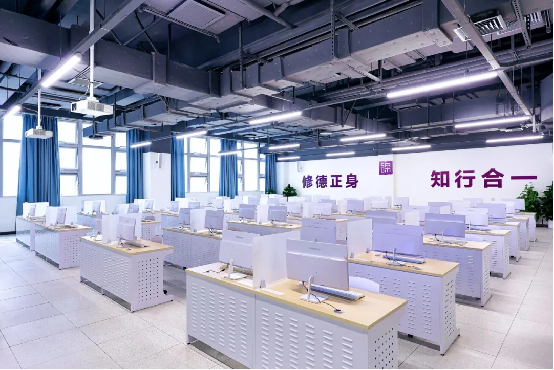
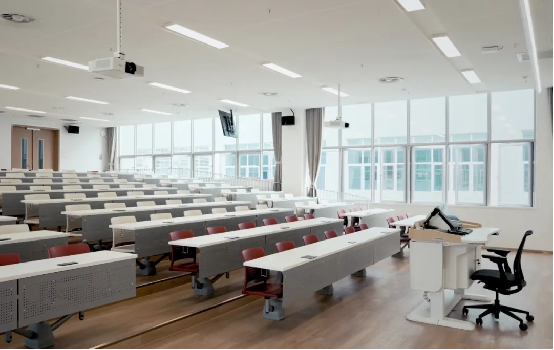
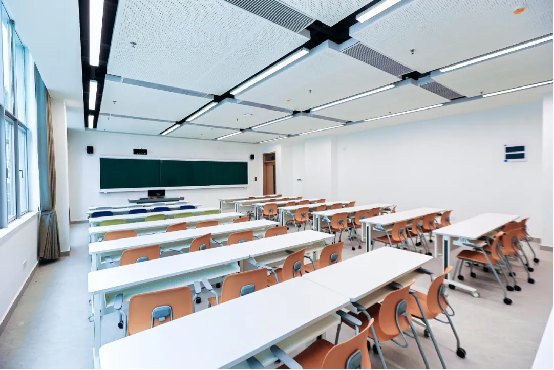
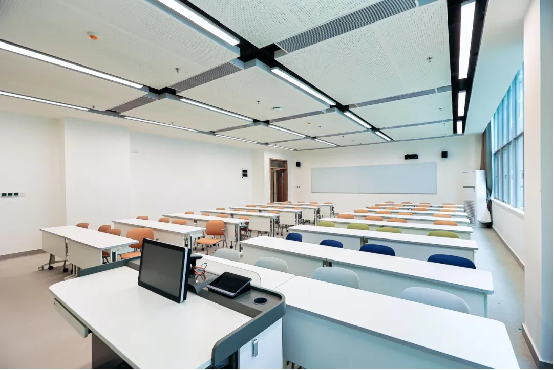
From classrooms to colleges, SUAT's learning scenes have long broken traditional classroom boundaries.
Swipe left and right to view more
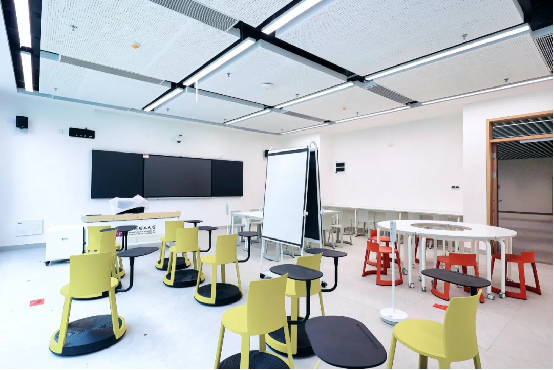
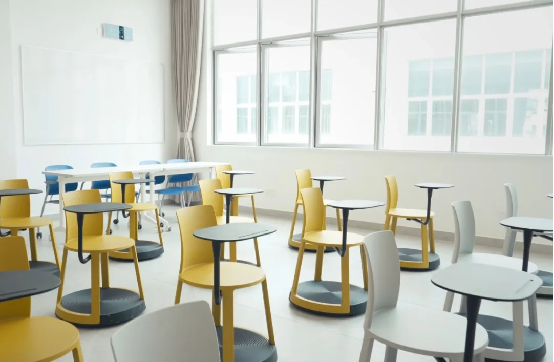
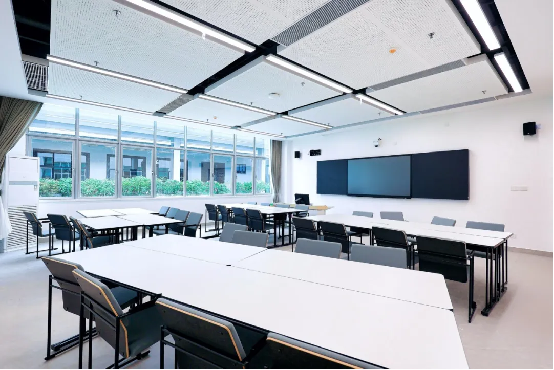
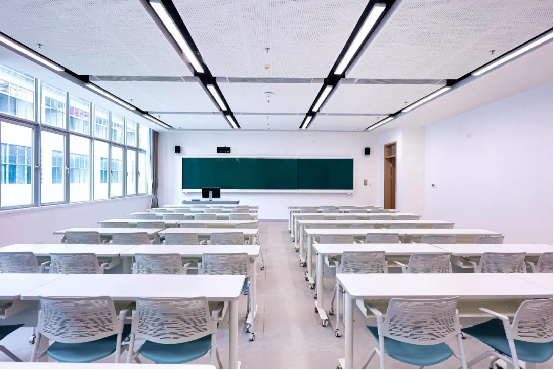
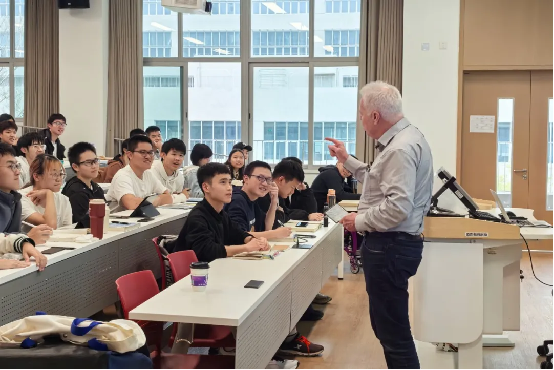
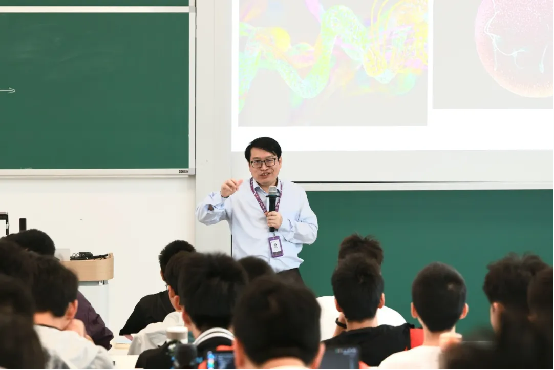
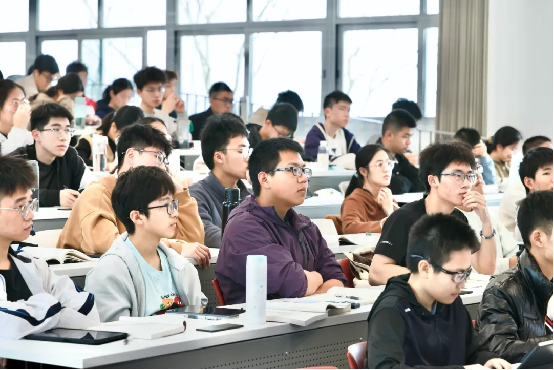
In teaching buildings, regular classrooms are neatly laid out for daily knowledge imparting; discussion classrooms with wheeled seats allow students to adjust positions anytime for group brainstorming; long-table classrooms provide spacious venues for group collaboration; and tiered classrooms accommodating over a hundred people are ideal for academic masters' lectures and large course sharing.
Swipe left and right to view more
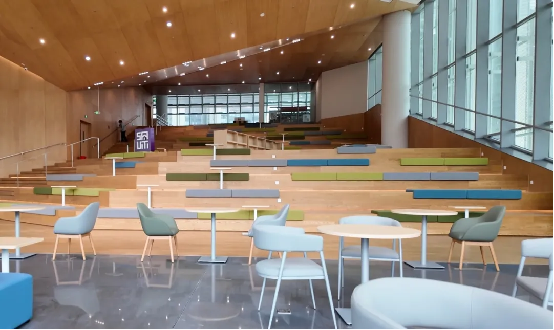
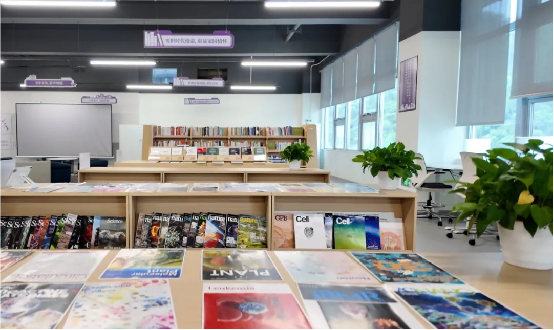
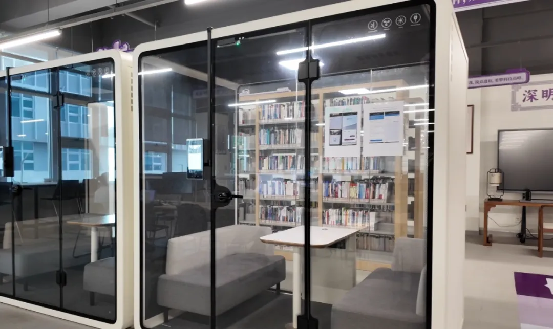
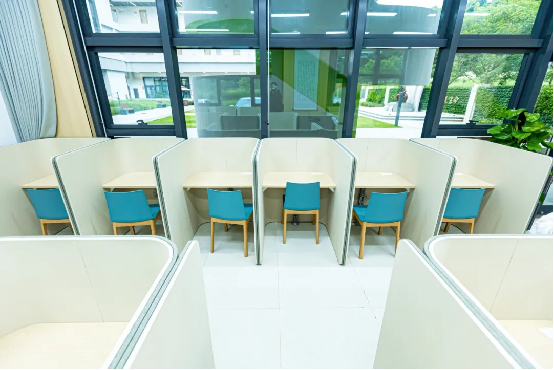
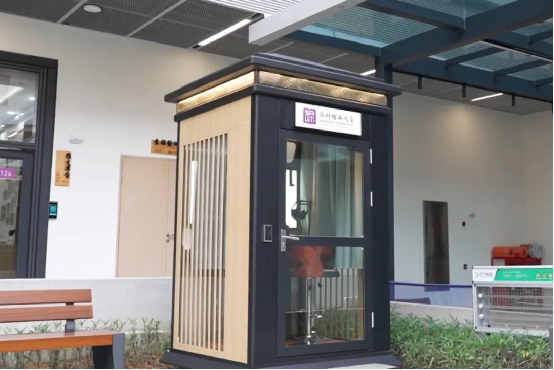
Currently, the SUAT library has100,000Chinese and foreign paper books, 92,000electronic books, 76 Chinese and foreign periodicals, and 50 Chinese and foreign databases. On shelves, Chinese and English books are interleaved, with rich collections awaiting readers to unlock treasures of wisdom. Meanwhile, silent booths and self-study areas are great places for heated discussions and quiet learning.
Swipe left and right to view more
In colleges, self-study rooms have a quiet atmosphere, pure land for deep research; in college cafes, students discuss topics with minds colliding in unique splendor; reading pavilions provide exclusive small spaces for quiet recitation and expression improvement.
Swipe left and right to view more
Decoding the Characteristic Course System
#Lili Campus Tour#
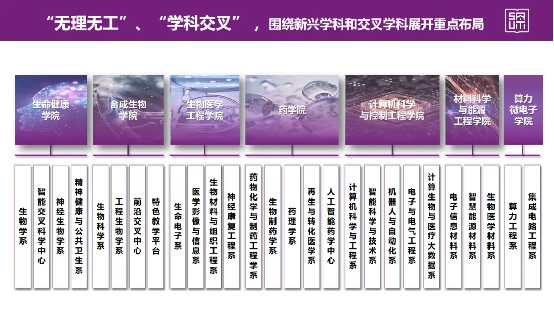
SUAT has established7 interdisciplinary professionalfaculties, including the Faculty of Life and Health Sciences, Faculty of Synthetic Biology, Faculty of Computing Science and Control Engineering, Faculty of Biomedical Engineering, Faculty of Materials Science and Energy Engineering, Faculty of Pharmacy, and Faculty of Computing Power Microelectronics; the first batch offers majors such as computer science and technology, materials science and engineering, neuroscience, biotechnology, pharmacy, biomedical engineering, and synthetic biology.
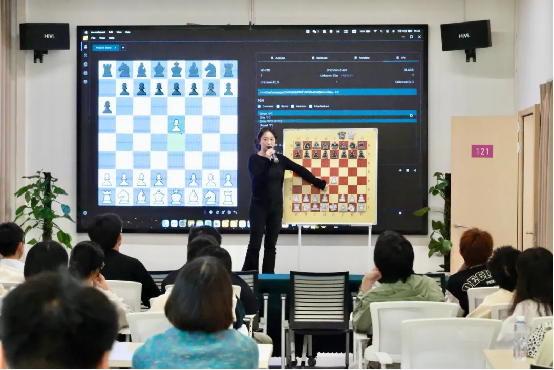
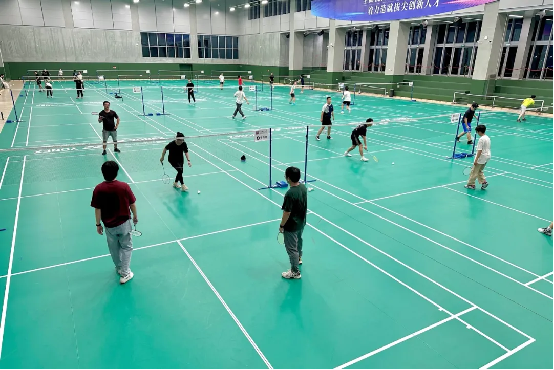
Course settings closely follow the pulse of the times; freshmen take "Introduction to Artificial Intelligence" focusing on technology frontiers, taught by global top 2% scientist Professor Li Jinyan, analyzing AI development threads and technical foundations; "Introduction to Life Sciences II" is taught by the College of Life and Health Sciences professor team, cultivating scientific literacy and ability to handle problems with scientific thinking; basic science and engineering courses are solid, with series like "University Chemistry," "University Physics," and "Linear Algebra" building knowledge foundations under experienced professor teams; international courses "Scientific English Writing" and "Advanced English Listening and Speaking" cultivate English literature processing and cross-cultural communication abilities; sports courses build a "dual-dimensional cultivation system" through chess, badminton, basketball, etc., strengthening both physique and mind.
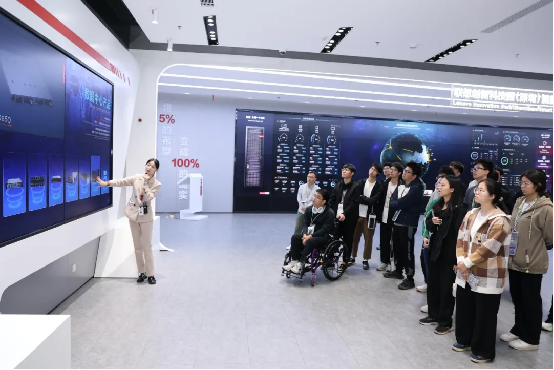
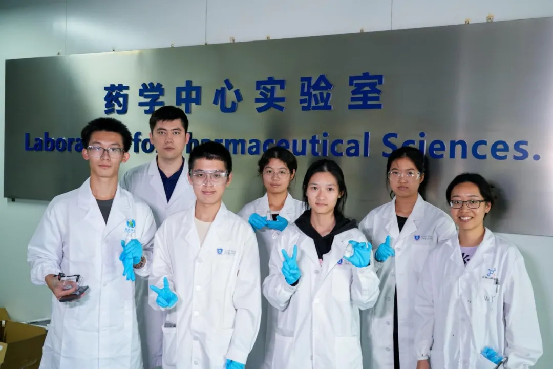
SUAT undergraduates implement "4+1" teaching: starting from freshman year, students attend classes Monday to Thursday and rotate through labs in six major directions for research practice on Fridays, laying the foundation for sophomore major choice; in junior year, they are divided into academic, engineering, and entrepreneurship tracks for elite undergraduate education, cultivating top innovative talents in a new model.

Swipe left and right to view more
This model makes academic exploration accessible from freshman year; students enter labs in six frontier directions like synthetic biology, brain science, and computer science for rotations, contacting frontier technology, participating in projects, exercising research abilities, and opening unlimited possibilities for future development. In addition, students visit famous enterprises like Huawei and Tencent to feel the charm of technological innovation.
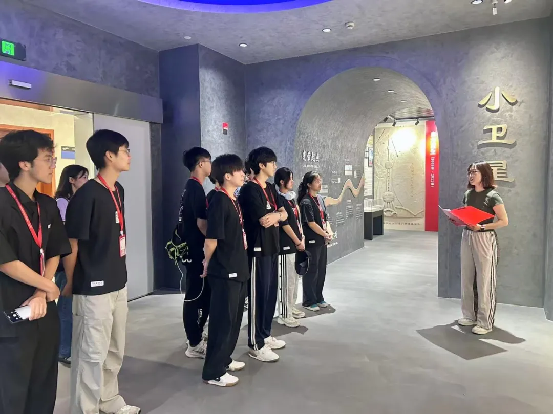
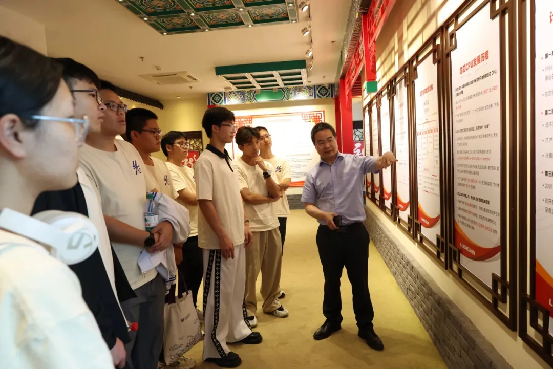
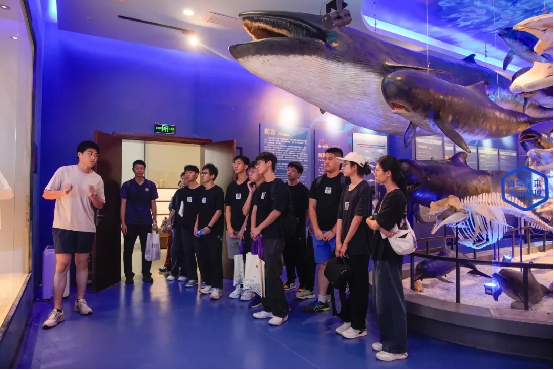
In May this year, SUAT's research practice upgraded from "4+1" to "4+3"; 44 first-year undergraduates divided into 4 groups visited Beijing, Shanghai, Guangzhou, and Sanya for three-day study tours, entering national treasures like the High Energy Photon Source (HEPS) and the "Striver" deep-sea submersible, truly connecting university classrooms with national strategic research sites.
Swipe left and right to view more
Faculty Matrix Empowerment
#Lili Campus Tour#
Faculty strength is one of a university's core competitiveness. SUAT has assembled a high-level faculty team primarily composed of high-level overseas talents, including14 full-time domestic and international academicians, 42 former lifetime professors at famous overseas universities, 88 national high-level talents, 3 foreign experts awarded the Chinese Government Friendship Award, and 138 distinguished research professors; over 90% of full-time teachers hold doctoral degrees, and over 70% have overseas study experience.
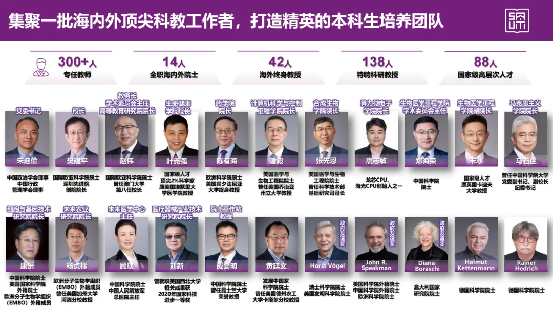
In addition, students can have face-to-face exchanges with masters through activities like "Nobel Guidance" and "Master Appointments." Since establishment last year, the university has invited3 Nobel laureates, 1 Turing Award winner, 1 world champion, 1 former foreign president, and over 20 academicians and university presidents to SUAT.
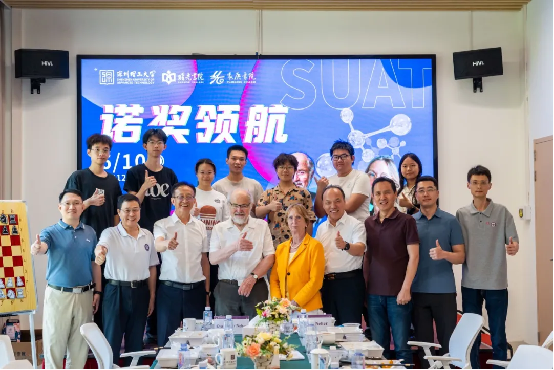
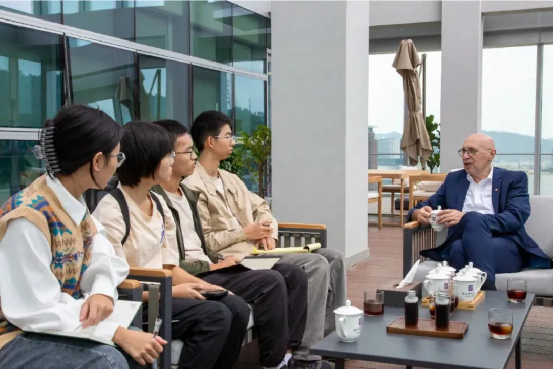
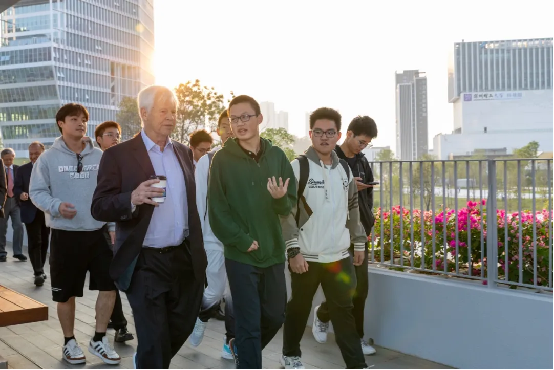
Swipe left and right to view more
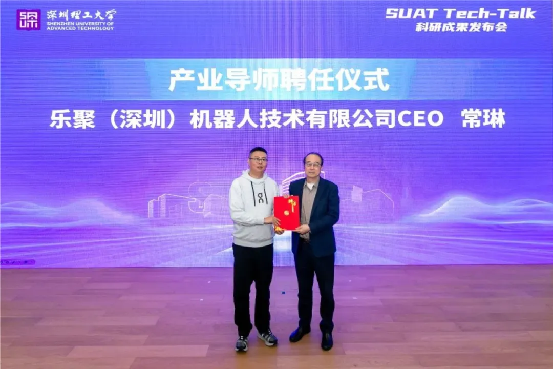
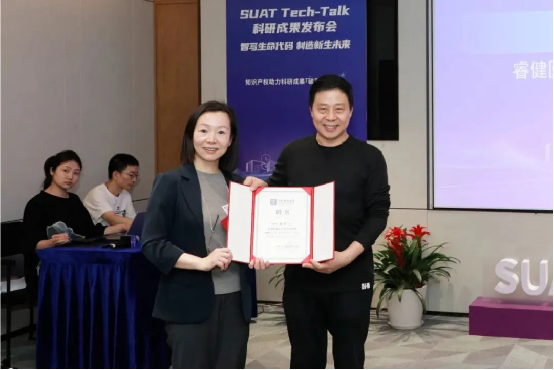
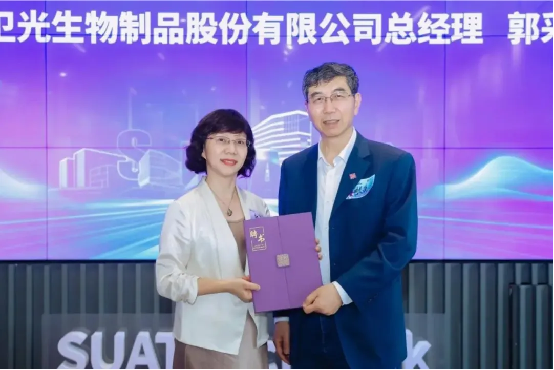
At the SUAT Tech-Talk series research achievement releases, SUAT appointed CEOs and executives like Chang Lin from Leju (Shenzhen) Robotics Technology Co., Ltd., Guo Caiping from Weiguang Biological Products Co., Ltd., Wei Jun from Ruijian Pharmaceutical Technology Co., Ltd., and Xuan Ye from Rhein Group Greater China HR General Manager as industry mentors to provide innovation and entrepreneurship guidance for students. In the future, more enterprises will open lab resources, providing students with internships, visits, and other practical opportunities.
Swipe left and right to view more
From Classroom to Laboratory
From Nobel laureates' classes to industry mentors' practical lessons
Knowledge is not just static book content
but a dynamic exploration process
Learning is not passive knowledge reception
but active problem solving
So
Future SUATers
Are you ready to join this "learning adventure"?
 CN
CN