March 28
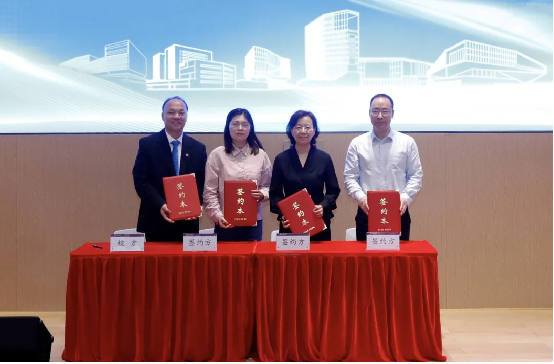
Shenzhen University of Advanced Technology and Nankai University
Shenzhen BGI Technology Co., Ltd.
and Beijing Open Source Chip Research Institute, among others
respectively signed cooperation agreements for joint graduate training
marking an important step
on the path to promoting deep integration of industry, academia, and research
and cultivating top innovative talents
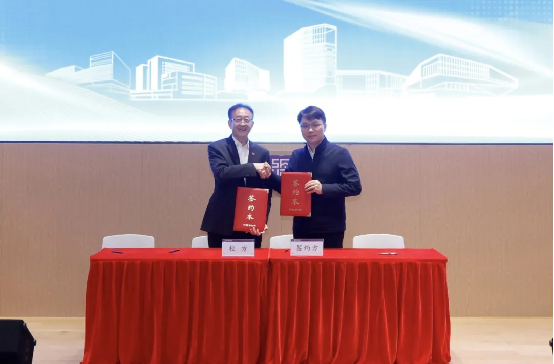
Starting from 2025, SUAT and Nankai University will leverage their respective strengths in curriculum systems, research, and industrial resources tojointly recruit and train doctoral students. Building on this joint doctoral training cooperation, they will further promote in-depth collaboration in joint discipline construction, co-cultivation of top innovative talents, joint tackling of research projects, and sharing of high-level faculty and research platforms, working together to contribute to building a strong nation in education.
Previously, SUAT has signed agreements with Sun Yat-sen University, Southern University of Science and Technology, and other universities to soon launch cooperation in joint talent cultivation and more. Next, the university will sign cooperation agreements with more universities to expand its network.
SUAT will conduct strategic cooperation with BGI, the Beijing Open Source Chip Research Institute, and other entities incollaborative technological breakthroughs and high-level talent cultivation, deeply integrating university research capabilities with enterprise innovation resources to achieve complementary advantages and win-win cooperation. They will jointly establish a "Special Master's Student Program" for joint training of professional master's students, relying on national major scientific and technological projects to cultivate high-level talents with both original innovation and engineering practice capabilities, produce high-level research outcomes, and serve major national strategies and local socioeconomic development.
As a new-type research university, SUAT shoulders the mission of exploring innovative development paths for China's higher education.This signing cooperation is a vivid practice of SUAT implementing the national innovation-driven development strategy and an important layout in the field of talent cultivation.
In the future, SUAT will work closely with partners in deep cooperation on talent cultivation, scientific research, and achievement translation, building a collaborative innovation ecosystem for industry, academia, research, and application, jointly tackling key core technological challenges, promoting industrial transformation and upgrading, and providing solid support for national innovation-driven development and the talent powerhouse strategy.
 CN
CN