Recently, experts and scholars from China, Germany, Lithuania, and other countries gathered in Shenzhen Guangming to attend the 2025 International Symposium on Microbial Genetic Engineering Research and Applications, jointly sponsored by the Shenzhen University of Advanced Technology (SUAT) Faculty of Life and Health Sciences and the Shenzhen Institutes of Advanced Technology, Chinese Academy of Sciences. At the conference, focusing onfrontier technologies and application breakthroughs in microbial gene editing, experts and scholars jointly discussed gene editing and its translational research, exploring the unlimited possibilities of microbial gene editing technology. Through report sharing, they showcased the academic peaks and industrial pulses in the field of microbial genetic engineering.
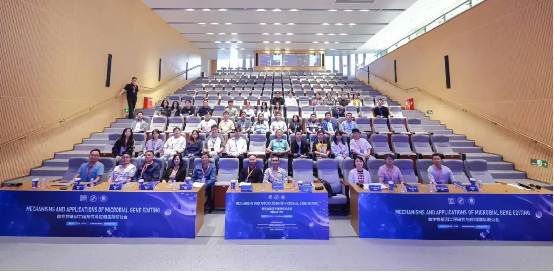

During the conference
multiple scholars deeply analyzed
the "offense-defense game" mechanisms between bacteria and phages
A series of research achievements attracted significant attention
↓↓↓

The Li Ming team from the Institute of Microbiology, Chinese Academy of Sciences, discovered that the CRISPR-Cas system achieves "triggered innate immunity" through dynamic balance of toxin-antitoxin RNA; Professor She Qunxin from Shandong University elucidated the molecular mechanism of RNA-activated DNase in type III-A CRISPR; the Ma Yingfei team from the Shenzhen Institutes of Advanced Technology, Chinese Academy of Sciences, first reported a phage three-protein recombination system that can repair CRISPR-cleaved DNA to breach host immunity; the Han Wenyuan team from Huazhong Agricultural University revealed that bacteria transmit group defense signals through novel modified nucleotides, providing ideas for new antibacterial strategies.
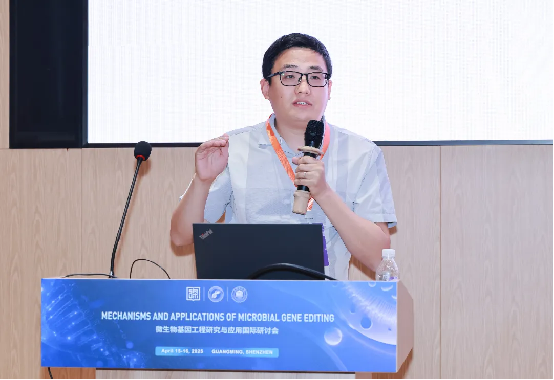
Li Ming
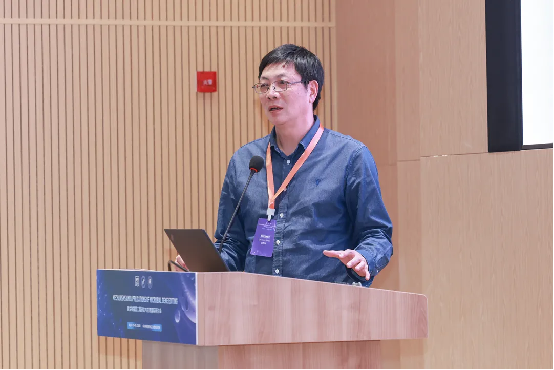
She Qunxin
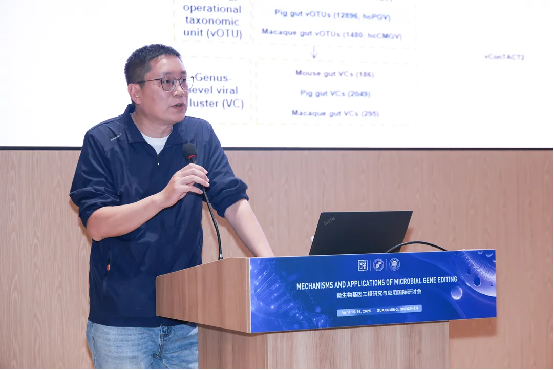
Ma Yingfei
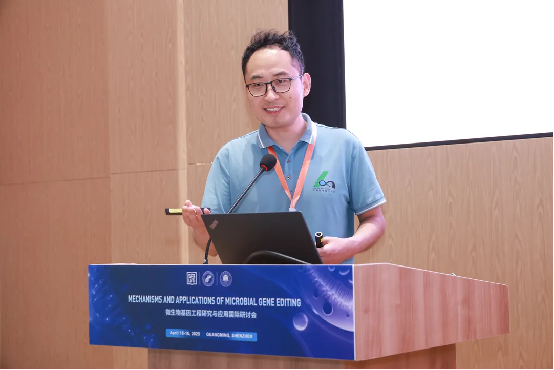
Han Wenyuan
These studies revealed
the complexity of host-phage conflicts
Related achievements will assist in the
development and optimization of gene editing tools

In the innovative development of gene editing tools
↓↓↓
The Chase Beisel team from Helmholtz Institute in Germany achieved efficient DNA transformation and precise manipulation using the TXTL system; the Constantinos Patinios team from Vilnius University in Lithuania developed a new editor based on DarT2 for DNA ADP-ribosylation; Researcher Wang Meng from the Tianjin Institute of Industrial Biotechnology, Chinese Academy of Sciences, launched a high-throughput automated platform capable of full-process gene operations in industrial microorganisms, building over 3,000 gene libraries in a single run, significantly improving industrial strain R&D efficiency; Professor Yan Aixin from the University of Hong Kong developed an efficient genome editing tool for multidrug-resistant bacteria using endogenous type I CRISPR systems in bacteria.
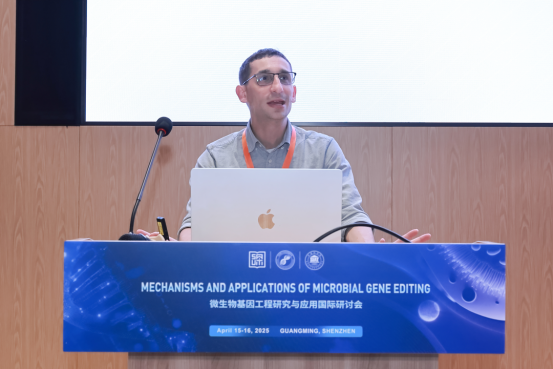
Chase Beisel
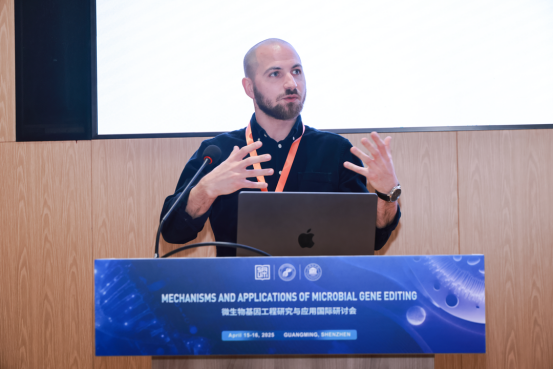
Constantinos Patinios
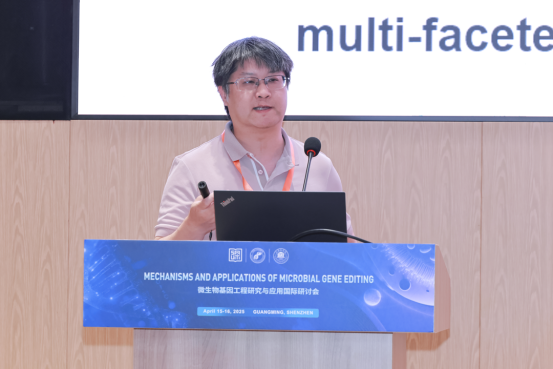
Wang Meng
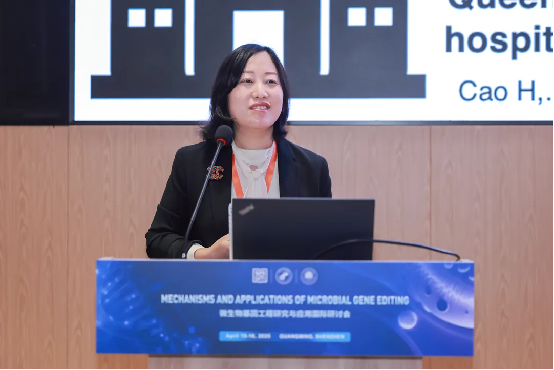
Yan Aixin
These breakthrough technologies jointly promoted
iterative upgrades in the gene editing field
In addition, the conference focused on
significant breakthroughs of gene editing technology in application translation
↓↓↓
The Wang Yu team from the Tianjin Institute of Industrial Biotechnology, Chinese Academy of Sciences, developed efficient editing tools for Corynebacterium glutamicum, significantly improving amino acid yield and environmental tolerance; the Liang Lixian team from the University of Macau enhanced the anti-tumor activity of ginseng polysaccharides through engineered strains, promoting the modernization of traditional Chinese medicine; Research Professor Liao Chunyu from SUAT used conjugative elements to target and kill pathogenic commensal bacteria in the gut, demonstrating application prospects in microbiome engineering; Ye Keqiang, Dean and Chair Professor of the SUAT Faculty of Life and Health Sciences, revealed the pathological mechanisms by which gut microbiota promotes the occurrence and development of Alzheimer's disease, providing new insights and directions for targeting gut microbiota to intervene in neurodegenerative diseases.
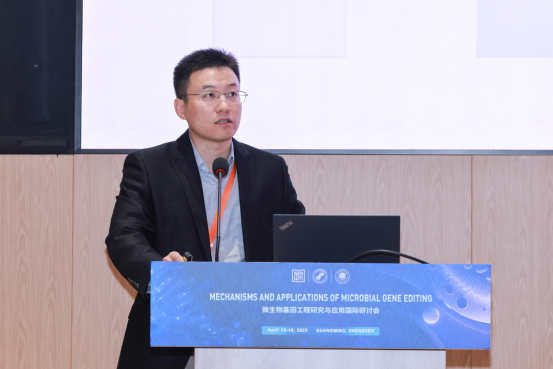
Wang Yu
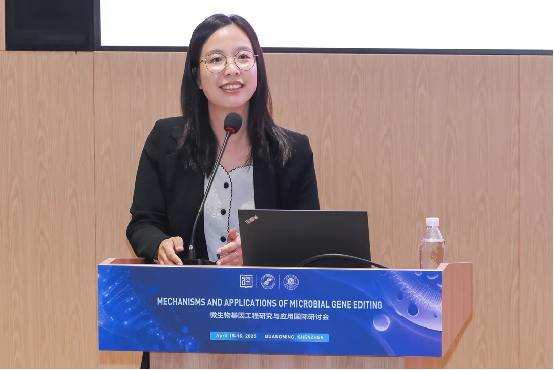
Liang Lixian
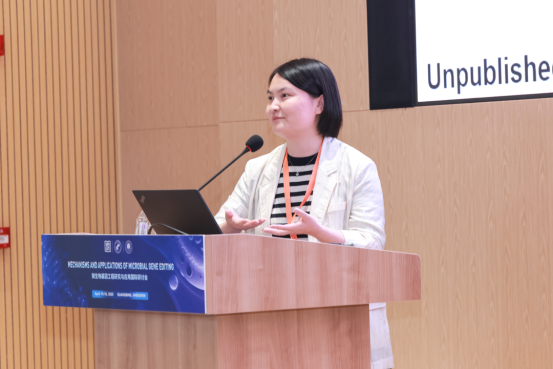
Liao Chunyu
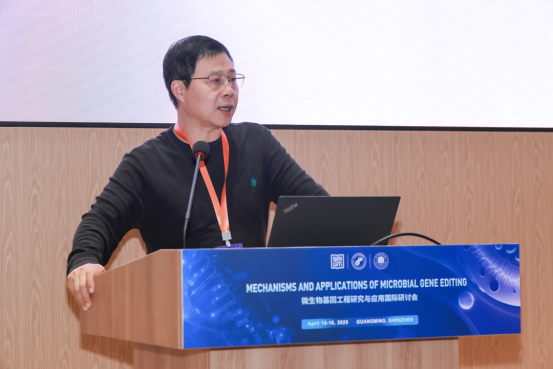
Ye Keqiang
This symposium presented foundational research progress andindustrialization prospects in microbial gene editing through multiple thematic reports. With the deep integration of CRISPR technology and other new defense systems, the diversified development of gene editing tools will be further accelerated. The application of automated high-throughput platforms is expected to break through efficiency bottlenecks in industrial microorganism transformation.
In the future, SUAT will continue to promote interdisciplinary cooperation, facilitate deep development of microbial resources in fields such as medical health and green manufacturing, and provide an innovation engine for global sustainable development.
 CN
CN